Arts
Baltimore School for the Arts Navigates Complex Recovery After Winter Flood
Share this article
Advertisement
The historic Mount Vernon neighborhood, a cultural heart of Baltimore, is home to institutions that nurture the region's artistic talent. Among them, the Baltimore School for the Arts (BSA) stands as a beacon, a place where young artists hone their craft across disciplines. But this winter, that vibrant hub faced an unexpected challenge: a flood that has left the school grappling with significant disruption and a complex path to recovery, still "picking up the pieces" months later [1]. For any educational institution, a flood is a devastating event. For a specialized arts school like BSA, the implications are particularly intricate, touching upon everything from delicate instruments and irreplaceable archives to specialized performance spaces and crucial learning environments. The ongoing recovery isn't just about drying out walls; it's about safeguarding the future of hundreds of aspiring artists and preserving the unique infrastructure that supports their education.
The Ripple Effect of Water Damage
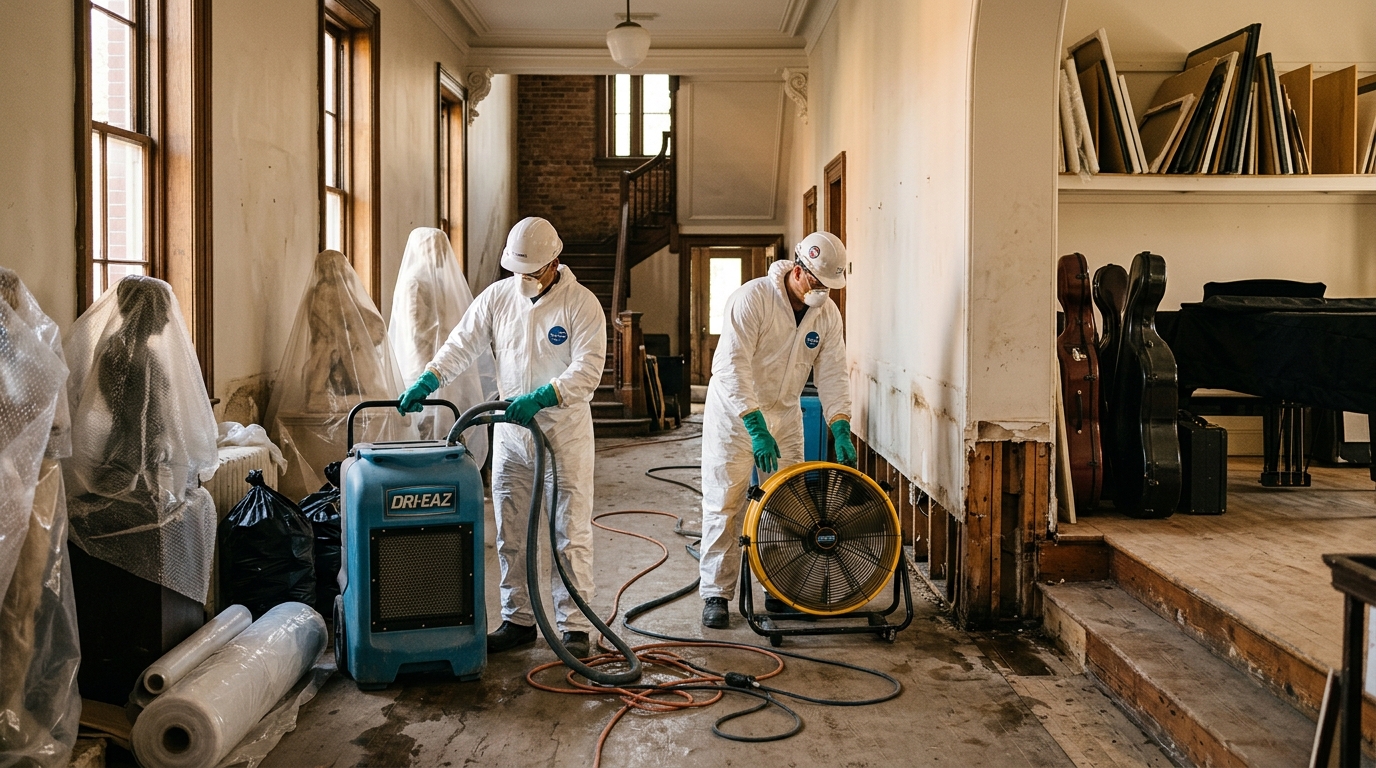
When winter brings a flood, the cold can exacerbate the damage, leading to prolonged drying times and increased risk of mold. At a school, this isn't merely an inconvenience; it's a direct threat to the learning environment. Water can seep into floors, walls, and ceilings, compromising structural integrity and creating health hazards. For an institution housed in an older building, as many in Mount Vernon are, the challenges of repair are often magnified by historical preservation concerns and the unique construction methods of bygone eras. The Baltimore School for the Arts, founded in 1979, has a rich history of fostering talent in areas like dance, theater, music, visual arts, and film/video. Each of these departments relies on specific, often sensitive, equipment and facilities. Imagine the impact on the music department: pianos, string instruments, and sheet music are highly susceptible to moisture damage. A damp environment can warp wood, corrode metal, and ruin paper, potentially silencing instruments and destroying years of accumulated repertoire. Visual arts studios might contend with ruined canvases, specialized paper, and even the structural integrity of kilns or darkrooms. Dance studios, with their sprung floors designed for dancer safety, could see their specialized construction compromised by water infiltration, requiring extensive and costly repairs.A flood in an arts school impacts not just classrooms, but delicate instruments, specialized performance spaces, and irreplaceable artistic archives.
Beyond the physical damage, the disruption to daily operations creates a cascade of challenges. Classes might be relocated to less suitable spaces, performance schedules could be thrown into disarray, and students' access to crucial practice areas or specialized equipment could be severely limited. This isn't just about missed lessons; it's about interrupting the creative flow and the rigorous training essential for young artists. The psychological toll on students and faculty, witnessing their creative sanctuary damaged, can also be significant. Navigating the Path to Restoration
The process of "picking up the pieces" is a multi-faceted endeavor. It begins with immediate damage control: removing standing water, salvaging what can be saved, and initiating professional drying and dehumidification to prevent further deterioration and mold growth. Following this, a thorough assessment is needed to determine the full extent of the damage, often involving structural engineers, environmental specialists, and restoration experts. This phase can be particularly complex for a building with specialized artistic infrastructure. Once the damage is assessed, the school must embark on the repair and restoration phase. This can involve everything from replacing damaged flooring and drywall to repairing intricate electrical systems and HVAC components that might have been affected. For an arts school, this also means the careful restoration or replacement of specialized equipment and performance spaces. Securing funding for such extensive repairs often involves insurance claims, emergency allocations from Baltimore City Public Schools, and potentially significant fundraising efforts from the school's dedicated community of alumni, parents, and arts patrons. The Baltimore School for the Arts, like all schools in the city, operates under the umbrella of Baltimore City Public Schools, which provides critical support in such emergencies. However, the unique needs of an arts institution often require additional specialized resources and expertise that go beyond standard school maintenance. This necessitates close collaboration with various stakeholders, including the city, the school's own administration, and external contractors specializing in historical building restoration and arts facility repair.Community Resilience and the Future of Arts Education
The resilience of the BSA community will be key to its full recovery. Students, faculty, and staff have likely had to adapt to temporary learning environments, altered schedules, and the general upheaval that follows such an event. This period can, however, also foster a sense of shared purpose and creativity in finding solutions. Temporary performance venues might be utilized, or new, innovative ways of teaching and creating art might emerge from the necessity of adaptation. For the broader DMV region, the Baltimore School for the Arts is a vital component of the arts ecosystem. Its alumni go on to enrich the cultural landscape not just in Maryland, but across the nation and world. The challenges faced by BSA highlight the vulnerability of cultural institutions to unforeseen events and underscore the importance of community support in their recovery. Organizations like the Maryland State Arts Council often provide grants and resources that can be crucial in helping arts organizations and schools rebuild after disasters. The ongoing work at BSA isn't just about fixing a building; it's about reaffirming a commitment to arts education and ensuring that future generations of artists have access to the resources and spaces they need to thrive. As the school continues its painstaking recovery, the focus remains on restoring its full capacity as a premier institution for the arts, ensuring that the stages, studios, and classrooms are once again fully vibrant and inspiring. The community looks forward to the day when the last piece is picked up, and the full symphony of artistic expression can once again resonate through its hallowed halls.📍 Local Resources
Baltimore School for the Arts
Official website for updates on school operations, events, and support opportunities.
🌐 Website: bsfa.org
📍 Location: 712 Cathedral St, Baltimore, MD 21201
Baltimore City Public Schools
Information regarding district-wide support, facilities management, and educational continuity.
📞 Phone: (410) 396-8800
🌐 Website: baltimorecityschools.org
Maryland State Arts Council (MSAC)
Provides grants and resources for arts organizations and cultural institutions across Maryland, potentially aiding in recovery and operational stability.
📞 Phone: (410) 767-6555
🌐 Website: msac.maryland.gov
Advertisement
Explore more on this topic
Related Stories
Arts
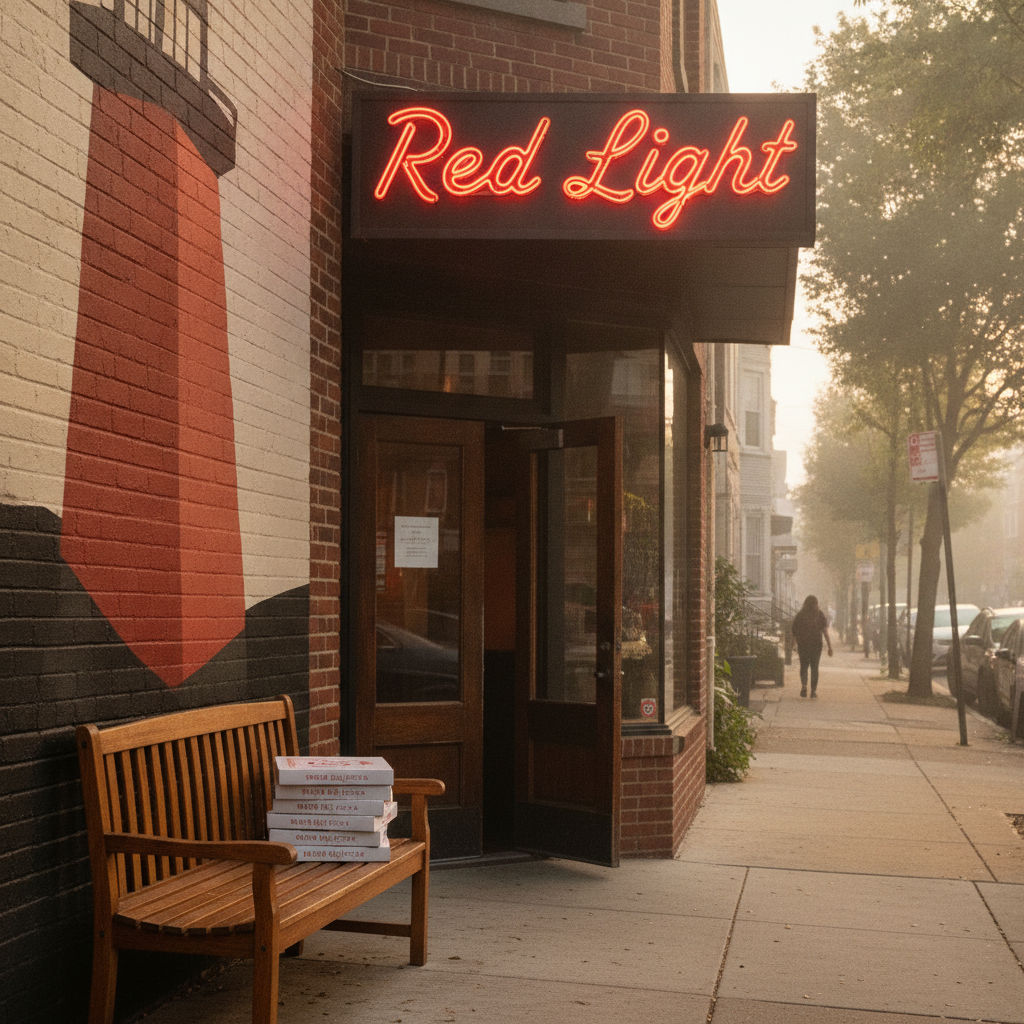
Red Light Bar Sets Early December Opening for New Florida Avenue NW Home
Howard County·Arts
Red Light, the popular D.C. bar, is officially set to open its new Florida Avenue NW location in early December, promising its signature Detroit-style pizza and unique vibe.
about 4 hours ago4 min read

Arts
Poinsettia Parade: Smithsonian Gardens Preps D.C. for Holiday Splendor
Arts
about 4 hours ago4 min read
Arts
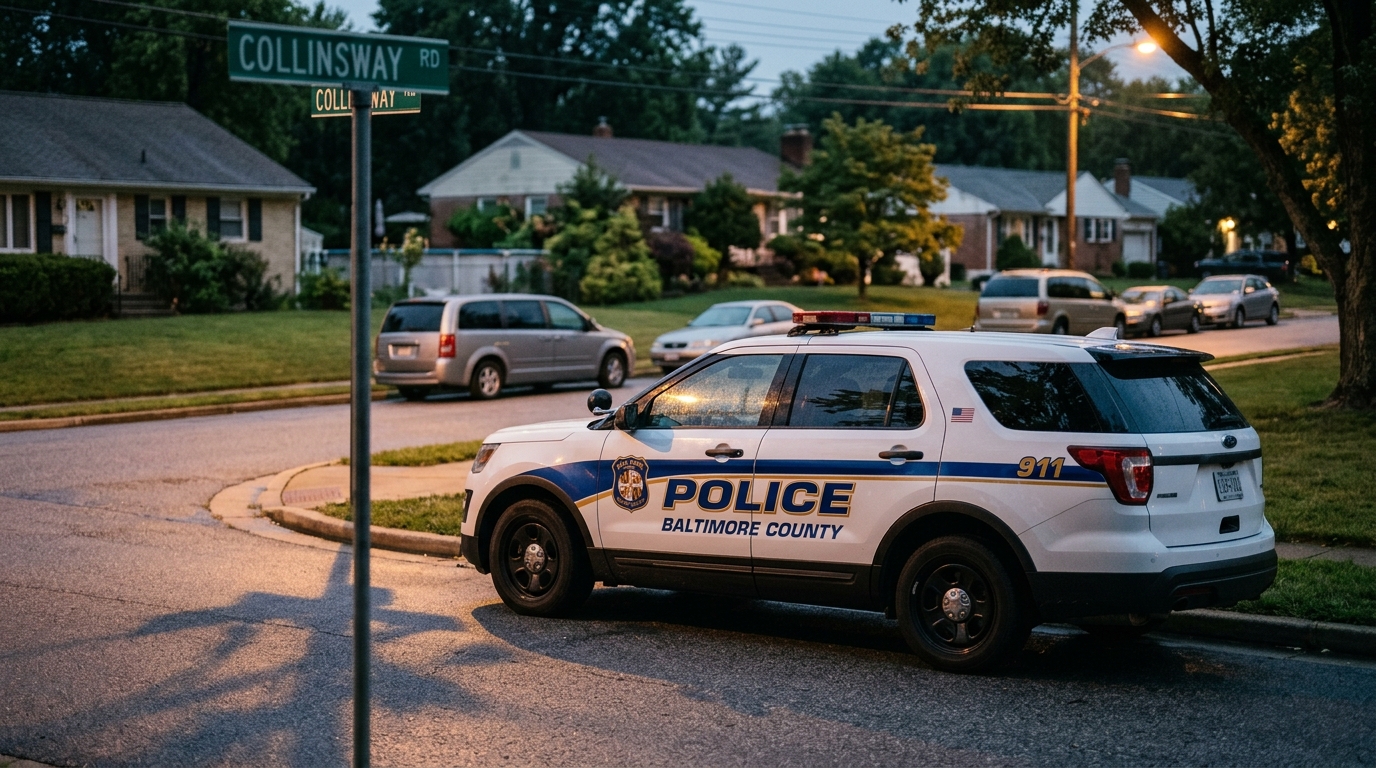
Man Arrested in Baltimore County After Months of Disruptive, Unlicensed Pool Parties on Collinsway
Arts
A man has been arrested in Baltimore County in connection with the controversial, for-profit pool parties that plagued the Collinsway neighborhood over the summer, bringing relief to frustrated residents.
14 days ago5 min read