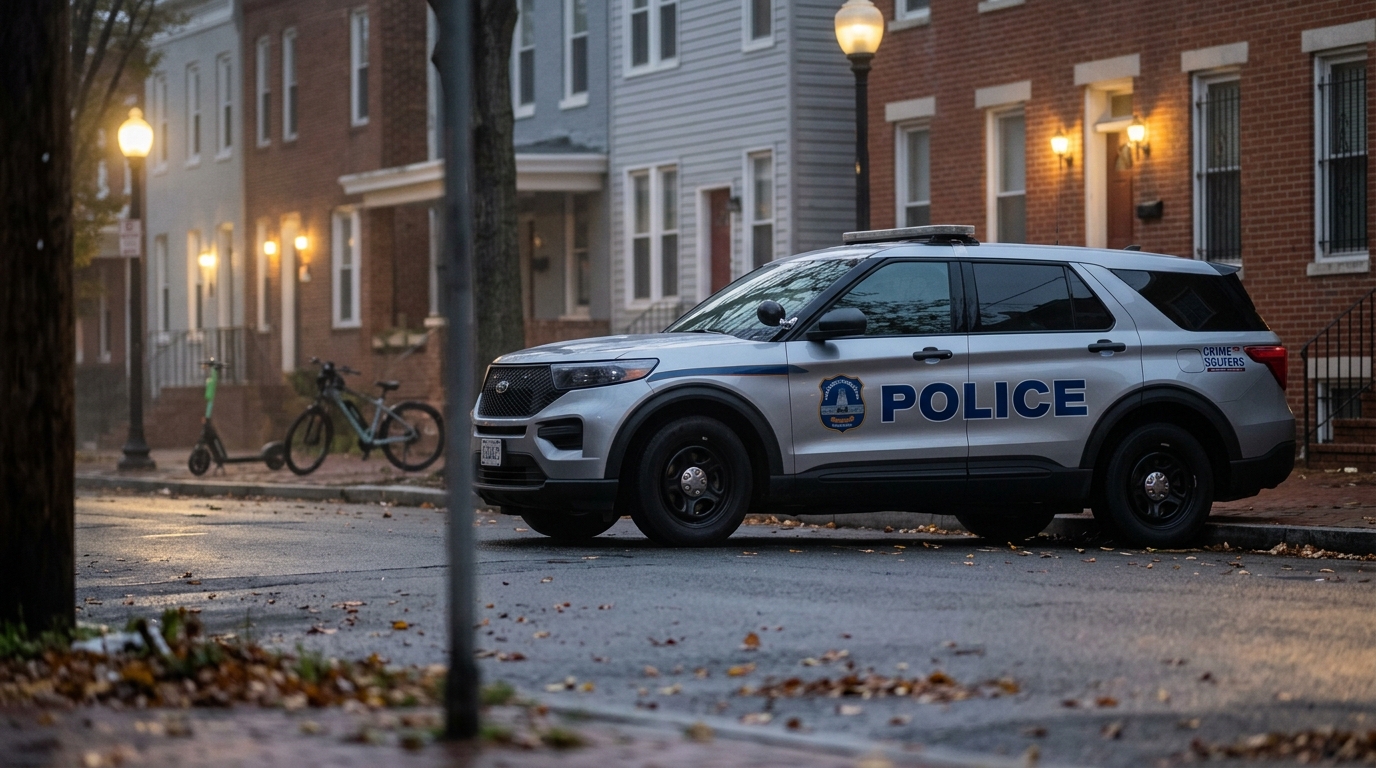
Baltimore Police Backlog of Over 700 Discipline Cases Threatens Consent Decree Reforms
Share this article
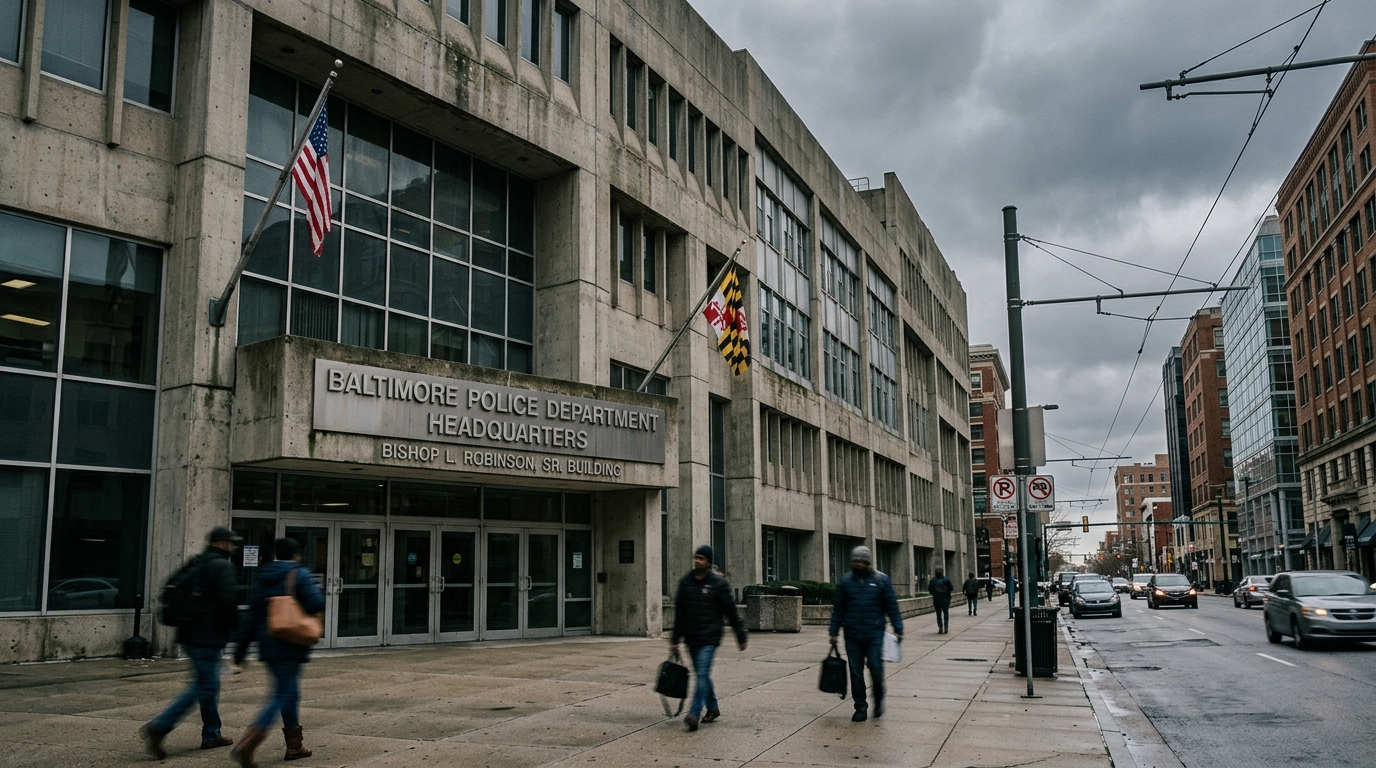
Understanding the Consent Decree's Mandate
The federal consent decree was put in place after a U.S. Department of Justice investigation found a pattern of unconstitutional policing by the BPD. This agreement requires the department to implement comprehensive reforms, including improvements to its use of force policies, training, community engagement, and, critically, its internal accountability systems. The goal is to ensure constitutional policing and rebuild the trust between officers and the communities they serve. Information about the Department of Justice's oversight of the BPD is readily available.Implications for Accountability and Trust
Disciplinary trial boards are internal mechanisms designed to adjudicate allegations of officer misconduct. These proceedings are crucial for maintaining standards of professionalism and ensuring accountability within the ranks. A delay involving "over 700 officers" suggests a systemic issue that extends beyond individual cases [1]. It can create uncertainty for officers involved, potentially affecting morale and focus, while also signaling to the public that the department's commitment to internal oversight may be faltering. For Baltimore residents, the slow pace of disciplinary action can be particularly concerning. The consent decree was a direct response to a breakdown in trust, and effective, timely discipline is a cornerstone of rebuilding that trust. Without a clear and efficient process for handling these cases, the public may question the sincerity and effectiveness of the department's reform initiatives. Further details on the Baltimore Police Department's structure and operations are outlined on its official website.Navigating Forward
The challenge now for the Baltimore Police Department and its federal monitors will be to address this significant backlog while still maintaining due process for all involved. This situation demands a clear strategy to expedite these proceedings without compromising fairness or thoroughness. It's a complex undertaking that requires substantial resources and a renewed commitment to the consent decree's principles. The ongoing delays in disciplinary reforms could have broader implications for the consent decree's timeline and the ultimate goal of achieving sustainable, constitutional policing in Baltimore. Residents will likely be watching closely to see how the department and city leadership respond to this hurdle. Updates on the consent decree's progress and related reports are often shared by the City of Baltimore itself.📍 Local Resources
Handles complaints of police misconduct and initiates internal investigations.
An independent agency that investigates complaints of police misconduct from the public.
Provides free civil legal services to low-income Marylanders, including potential assistance with issues related to police conduct.
Explore more on this topic
Related Stories
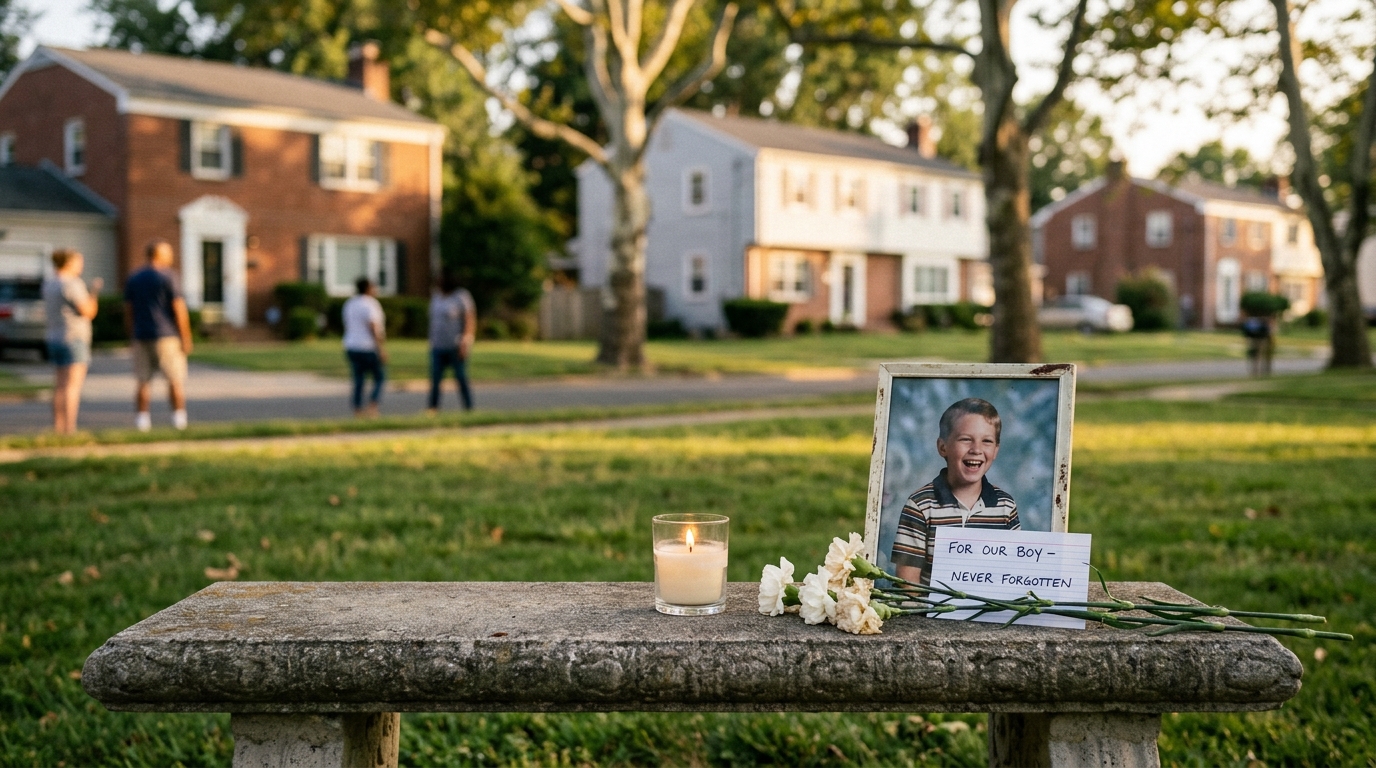
Indictment in 1993 Maryland Cold Case Brings Hope After Three Decades
After more than three decades, an indictment has finally been handed down in the 1993 murder of a 10-year-old boy in Maryland, offering a crucial step toward justice in a long-standing cold case.
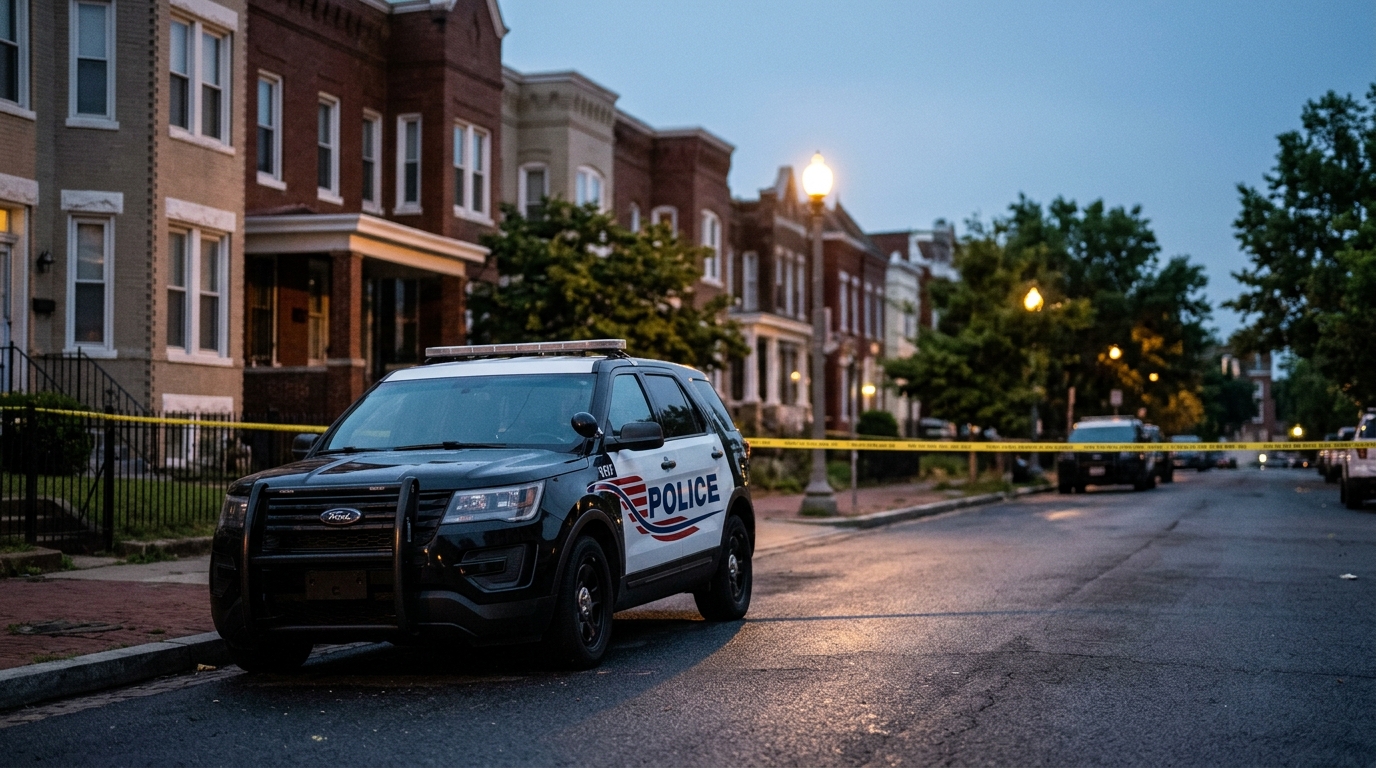
Deadly Shooting Reported at Alleged Squatter's Home in Washington, D.C.
A deadly shooting has been reported at an alleged squatter's home in Washington, D.C., sparking concerns about public safety and property disputes in the community. Authorities are investigating the incident, with details remaining scarce as residents grapple with the implications of such a tragic event.