Baltimore Area Braces for Near-Record Heat This Week, Challenging April Benchmarks
Share this article
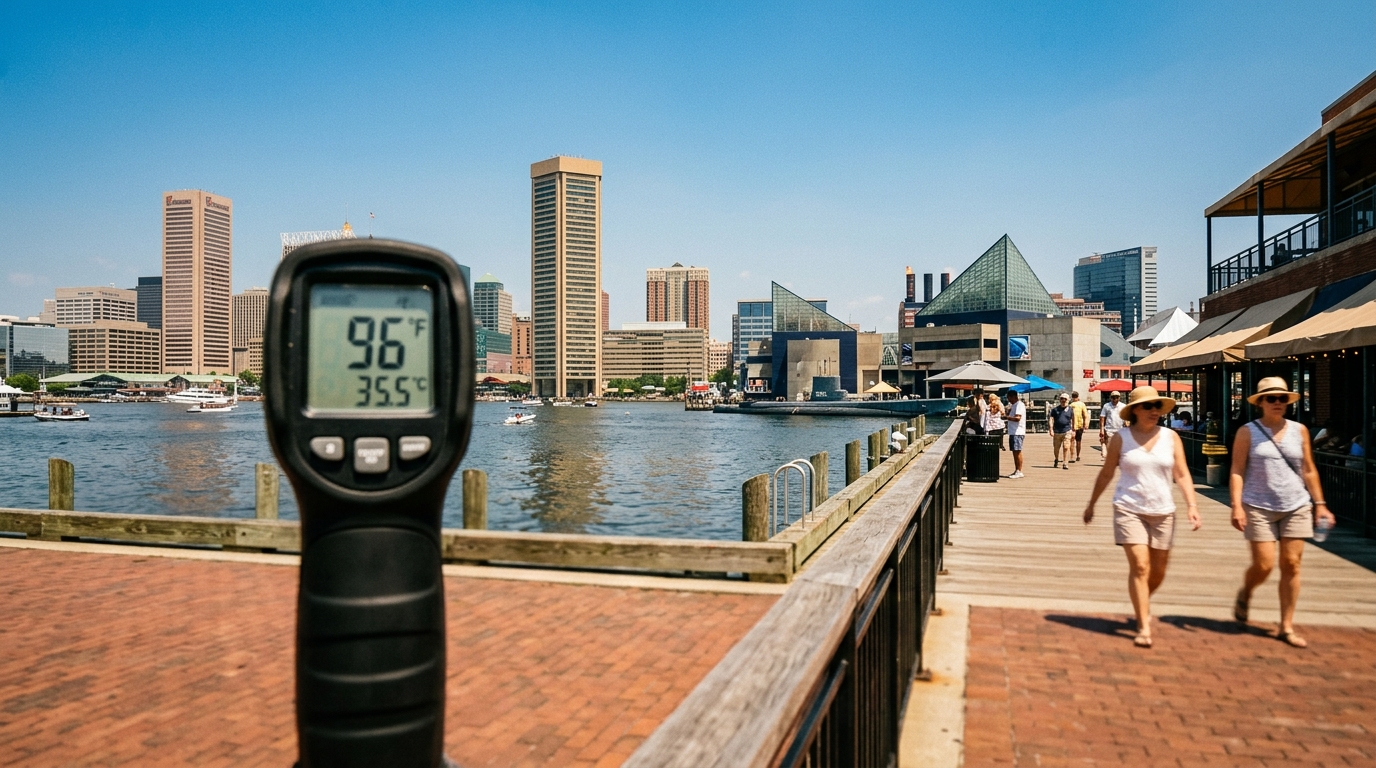
The Baltimore metropolitan area is preparing for a significant shift in weather patterns this week, with temperatures projected to climb to near-record highs for mid-April. Residents can expect a noticeable increase in heat, beginning this Tuesday, as hotter air masses settle over the region, challenging typical spring conditions and prompting calls for vigilance. [1]
Meteorological forecasts indicate that the mercury will rise considerably above the seasonal average, which typically hovers in the low to mid-60s for this time of year in the DMV. While specific record temperatures vary by date, the anticipated heatwave is expected to push daily highs into territory usually seen later in the spring or early summer, potentially reaching the upper 80s or even low 90s in some parts of the Baltimore area. This early onset of intense warmth could catch many off guard, as the region transitions rapidly from cooler spring days to summer-like conditions.
Understanding the Early Season Heat
The rapid escalation in temperatures is attributed to a weather system drawing warm air from the south, creating an unseasonably hot environment for the Mid-Atlantic. This pattern is not just about high temperatures; it also means a lack of the gradual acclimation period that typically precedes summer’s peak. For the Baltimore area, where the average high for mid-April is around 64 degrees Fahrenheit, a jump into the upper 80s represents a substantial deviation. Historical climate data for Baltimore shows that such temperatures are rare before May.
While the exact record for April 16th in Baltimore varies, the National Weather Service often tracks daily high records. When forecasts suggest "near-record heat," it implies that the predicted temperatures will come very close to, or potentially even surpass, the highest temperatures ever recorded on those specific dates in past years. This makes the current forecast particularly notable for its intensity and timing.
Health and Safety Precautions for Residents
An early-season heatwave poses unique challenges, as individuals and local infrastructure are not yet accustomed to sustained high temperatures. Public health officials across Maryland are likely to emphasize the importance of heat safety, especially for vulnerable populations.
Key precautions include staying hydrated by drinking plenty of water, even if not feeling thirsty. Limiting strenuous outdoor activities during the hottest parts of the day, typically between 10 AM and 4 PM, is also crucial. Residents should seek shade whenever possible and wear light-colored, loose-fitting clothing. Checking on elderly neighbors, young children, and individuals with chronic health conditions is vital, as these groups are particularly susceptible to heat-related illnesses such as heat exhaustion and heatstroke. Pets should also be kept indoors or in shaded areas with ample water.
The Maryland Department of Health routinely issues guidance on extreme heat. Residents can find comprehensive information on preventing heat-related illnesses and identifying symptoms by visiting the Maryland Department of Health's heat safety page. Local authorities may also open cooling centers if the heat becomes severe enough to warrant public relief options.
Broader DMV Implications
While the initial reports specifically highlight the Baltimore area, weather patterns that bring significant heat to one part of the DMV often have broader implications. Washington, D.C., and parts of Northern Virginia could also experience unseasonably warm conditions, though perhaps not reaching the same "near-record" thresholds as Baltimore. Residents across the entire region should monitor local forecasts closely through the week.
For those planning outdoor activities, including visits to parks or waterfront areas like the Inner Harbor or the National Mall, adjusting schedules to avoid peak heat hours will be essential. The sudden increase in temperatures could also affect outdoor workers, necessitating employers to implement extra safety measures and frequent breaks. The potential for elevated ground-level ozone, a common byproduct of heat and sunlight, could also lead to air quality alerts, especially for individuals with respiratory sensitivities.
As the week progresses, meteorologists will continue to refine forecasts, providing more precise details on expected highs and any potential for relief. Staying informed through reliable sources like National Weather Service Baltimore/Washington is crucial for navigating this early taste of summer.
📍 Local Resources for Heat Safety
Provides public health guidance, tips for preventing heat-related illnesses, and information on vulnerable populations.
Offers local health alerts, information on cooling centers, and specific guidance for Baltimore City residents during heat emergencies.
Information on energy conservation during high demand, power outage reporting, and safety tips for electrical equipment during extreme weather.