Baltimore's MONSE Expands Role to Divert More 911 Calls from Police
Share this article
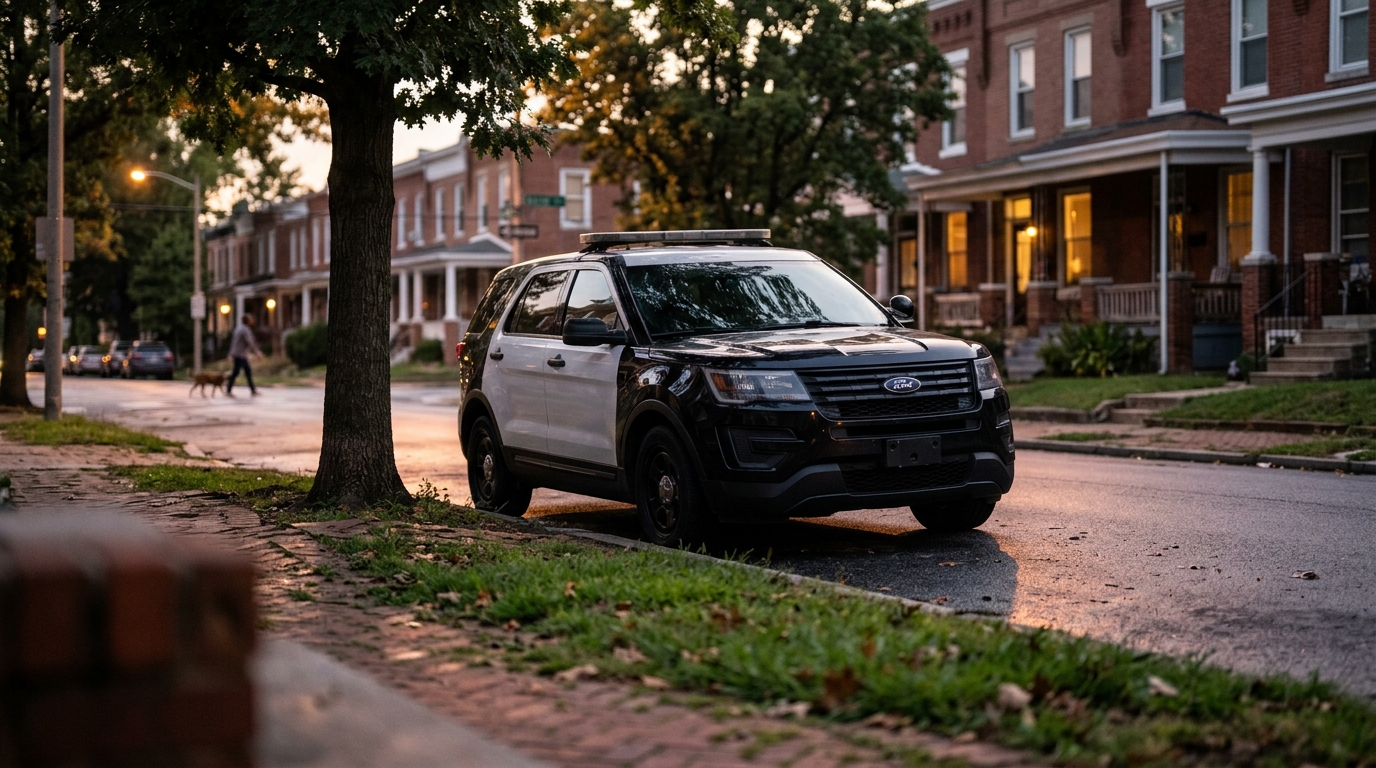
MONSE Takes the Lead on Community Safety
The Mayor's Office of Neighborhood Safety and Engagement, or MONSE, is at the heart of this transformation. While MONSE itself isn't new, its proposed expansion into call diversion represents a major pivot in how Baltimore envisions its public safety infrastructure. The goal is to build a "community-led public safety ecosystem," according to reporting by The Baltimore Banner. This means a more tailored response to a wide array of calls that don't necessarily require law enforcement intervention.Reimagining 911 and 311 Response
So, what kind of calls are we talking about? The plan focuses on diverting calls related to behavioral health crises, instances of homelessness, substance use, and various quality-of-life issues. These are situations where a mental health professional, a social worker, or an outreach team might be better equipped to de-escalate, provide support, and connect individuals to long-term solutions than an armed officer. For example, a person experiencing a mental health episode might benefit more from a crisis intervention specialist who can offer immediate support and pathways to care, rather than a police officer whose primary training is in enforcement. Similarly, addressing homelessness often requires connecting individuals with shelter, food, and social services, areas where police typically aren't the primary service providers. The city's 311 service for non-emergency issues is also part of this re-evaluation, ensuring that even lower-priority concerns are routed to the most appropriate city department or community partner.Building on Existing Programs
Baltimore isn't starting from scratch here. The city already has a Behavioral Health Crisis Response program that dispatches civilian teams to certain mental health-related calls. This expansion of MONSE's role is designed to build upon the successes and lessons learned from such existing initiatives, scaling them up to cover a broader spectrum of calls. The intent is to create a more comprehensive and integrated system, ensuring that when Baltimoreans call for help, they get the *right* kind of help. The Maryland Behavioral Health Administration, part of Maryland's Department of Health, offers various resources and programs that MONSE's expanded services could complement, providing a more localized point of access for city residents. This collaboration between city-led initiatives and state-level support is crucial for a robust public safety net.What This Means for Baltimoreans
For residents across Baltimore, this shift means a potentially different experience when interacting with emergency services. While urgent, violent crimes will, of course, continue to be handled by the Baltimore Police Department, a growing number of non-violent calls will see responders whose expertise lies outside law enforcement. This could lead to more compassionate responses, reduced instances of force, and better connections to community resources for those in need. The success of this expanded role for MONSE will depend heavily on clear communication to the public, robust training for the new response teams, and effective coordination between MONSE, the police department, and other city agencies. It's a complex undertaking, but one with the potential to fundamentally redefine public safety in Baltimore. As the city moves forward with these plans, residents should stay informed about how and when these new response protocols will be implemented. Understanding the types of calls that will be diverted and who will respond will be key to navigating Baltimore's evolving public safety landscape. This initiative is a significant step towards a more holistic approach to community well-being, one that acknowledges the diverse needs of its citizens beyond traditional policing.📍 Local Resources
For non-emergency city services, including information on various city programs and departments. Can help route calls to appropriate non-police responders as the MONSE program expands.
Provides 24/7 immediate support for mental health and substance abuse crises in Baltimore City, including mobile crisis teams that can respond in person.
Explore more on this topic
Related Stories
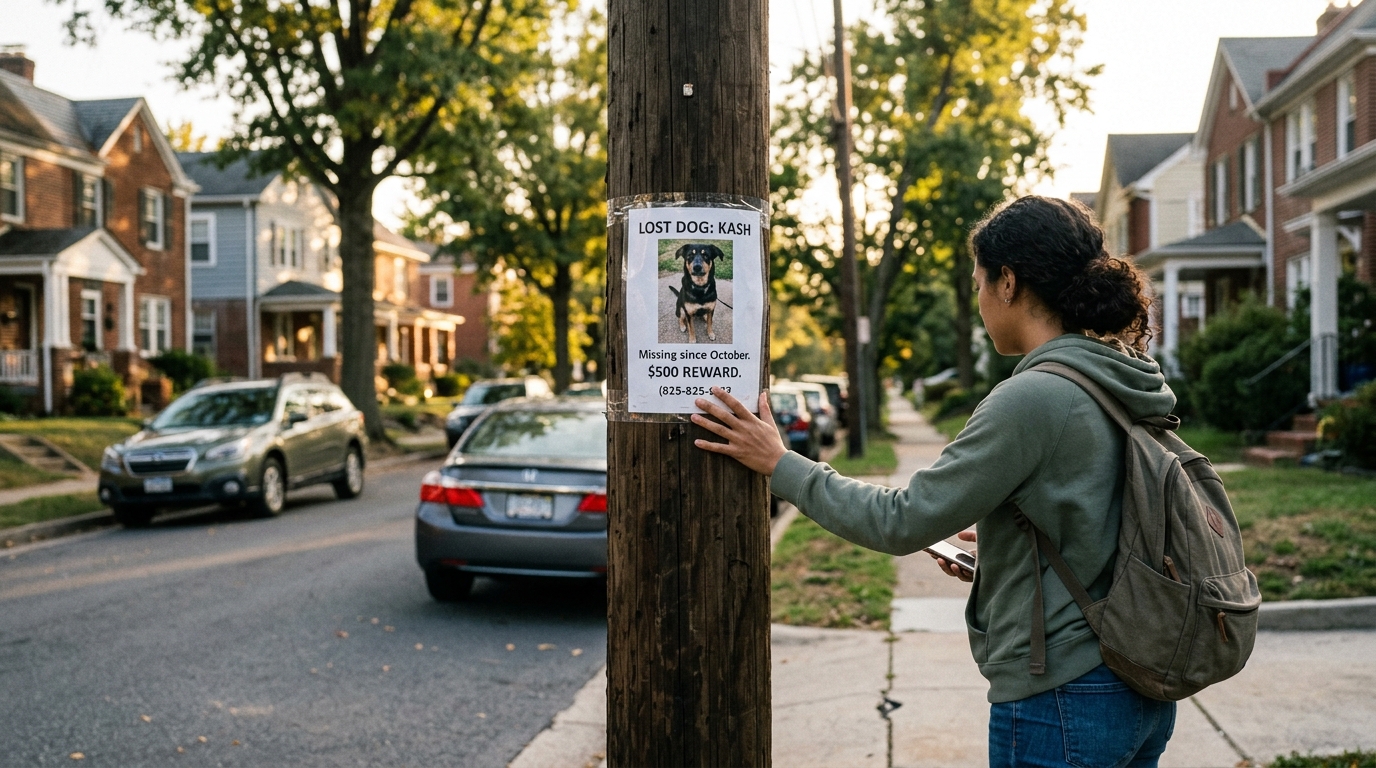
After Seven Months, a Lost Dog's Photo Ignites Hope for DMV Owner

Pentagon 9/11 Memorial Breaks Ground on First Visitor Center in Arlington
Arlington's Pentagon 9/11 Memorial is finally getting its first-ever visitor center, a $100 million project that broke ground today. This new facility will significantly enhance the memorial experience, providing much-needed educational context and a dedicated space for reflection for the thousands who visit annually, making the Pentagon the last of the three attack sites to offer such a resource.
AI-Altered Ram Photo Wins Maryland State Fair Contest, Igniting Debate Over Art and Authenticity
An AI-altered photo of a ram won a contest at the Maryland State Fair, sparking a local debate about the definition of art and authenticity in creative competitions. The incident highlights the growing challenge traditional events face with artificial intelligence in creative fields.