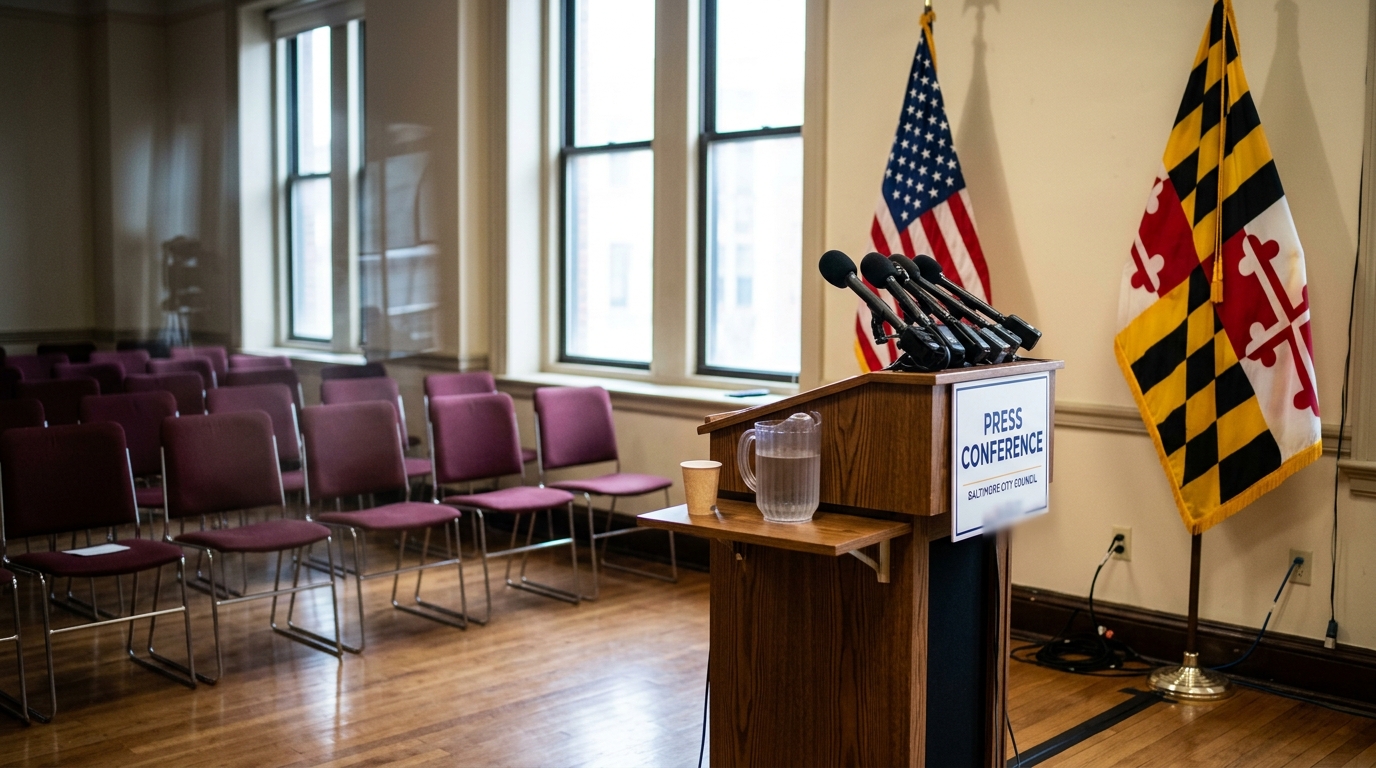
A new proposal before the Baltimore City Council could significantly shift the financial burden of storing belongings after an eviction, requiring landlords to cover these costs for former tenants. This move, still in its early stages, aims to address a long-standing challenge faced by residents who lose their homes and often their possessions during the eviction process in Baltimore City. Eviction is a harsh reality for many across the nation, and Baltimore is no exception. When a tenant is evicted, their belongings are typically removed from the property. Currently, depending on the jurisdiction and specific circumstances, these items might be placed on the street, or the tenant might be responsible for securing and paying for storage, often at a time when they are already in financial distress. This new proposal seeks to alleviate that burden for evicted tenants by placing the responsibility for storage fees directly on landlords.
The Baltimore City Council is considering a proposal that would require landlords to pay for the storage of evicted tenants' belongings.
The idea behind such a proposal often stems from a desire to protect vulnerable residents during one of the most difficult periods of their lives. Losing housing is traumatic enough, but losing all personal possessions — from furniture and clothing to important documents and cherished family items — can make recovery nearly impossible. Advocates for tenant rights frequently point to the disproportionate impact of evictions on low-income communities and communities of color, arguing that such policies could offer a crucial safety net. For landlords in Baltimore, this proposal introduces a new potential cost and administrative responsibility. Property owners and management companies would need to factor these potential storage fees into their operating budgets and establish processes for handling and storing evicted tenants' property. This could involve contracting with third-party storage facilities or creating their own storage solutions, adding layers of logistics and expense to an already complex legal process. The full scope of these potential costs, including duration of storage and types of items covered, would likely be defined as the proposal moves through the council. While the specific details of the bill are yet to be fully debated and finalized, the concept itself is not entirely new in tenant-landlord law conversations. Jurisdictions often grapple with how to balance property owners' rights with the humanitarian concerns for individuals facing homelessness. A policy like this could encourage landlords to explore alternatives to eviction where possible, or at least ensure a more humane transition for those who are ultimately removed from their homes. The Baltimore City Council regularly considers legislation impacting housing, an issue that remains a top priority for residents across the city. This proposal reflects ongoing discussions about housing stability and affordability within the city limits. Residents interested in understanding the current state of housing policy in Baltimore can explore resources from the
Baltimore City Department of Housing & Community Development. As this proposal moves forward, it will undoubtedly spark significant discussion among tenant advocates, landlord associations, and concerned citizens. The eventual outcome could reshape the responsibilities of property owners and offer new protections for tenants facing the dire circumstances of eviction in Baltimore. Keeping an eye on the
Baltimore City Council's legislative calendar will be key for those tracking its progress.
📍 Local Resources for Baltimore Residents
Baltimore City Department of Housing & Community Development Provides resources and services related to housing, including rental assistance programs and tenant information.
📍 Location: 417 E Fayette St, Baltimore, MD 21202
🕐 Hours: Mon-Fri 8:30am-4:30pm
Maryland Legal Aid – Baltimore City Office Offers free legal services to low-income individuals, including assistance with landlord-tenant disputes and eviction defense.
📍 Location: 15 W Franklin St, Baltimore,