Baltimore's Green Infrastructure: A Vision for Connected Urban Spaces
Share this article
Understanding Green Infrastructure in an Urban Core
What exactly is "green infrastructure"? Think of it as the natural systems that provide essential services, much like traditional "gray" infrastructure (roads, pipes, power lines). It includes everything from urban forests and wetlands to green roofs and permeable pavements, all designed to manage stormwater, improve air quality, reduce urban heat, and provide recreational opportunities. In a dense urban area like Baltimore, these elements are crucial for environmental health and human well-being. The region's approach to green infrastructure recognizes the long-term benefits of preserving and expanding natural assets. It's about leveraging nature's power to solve urban challenges, creating spaces where both people and wildlife can thrive.Historic Parks and Rail Trails: Baltimore's Green Legacy
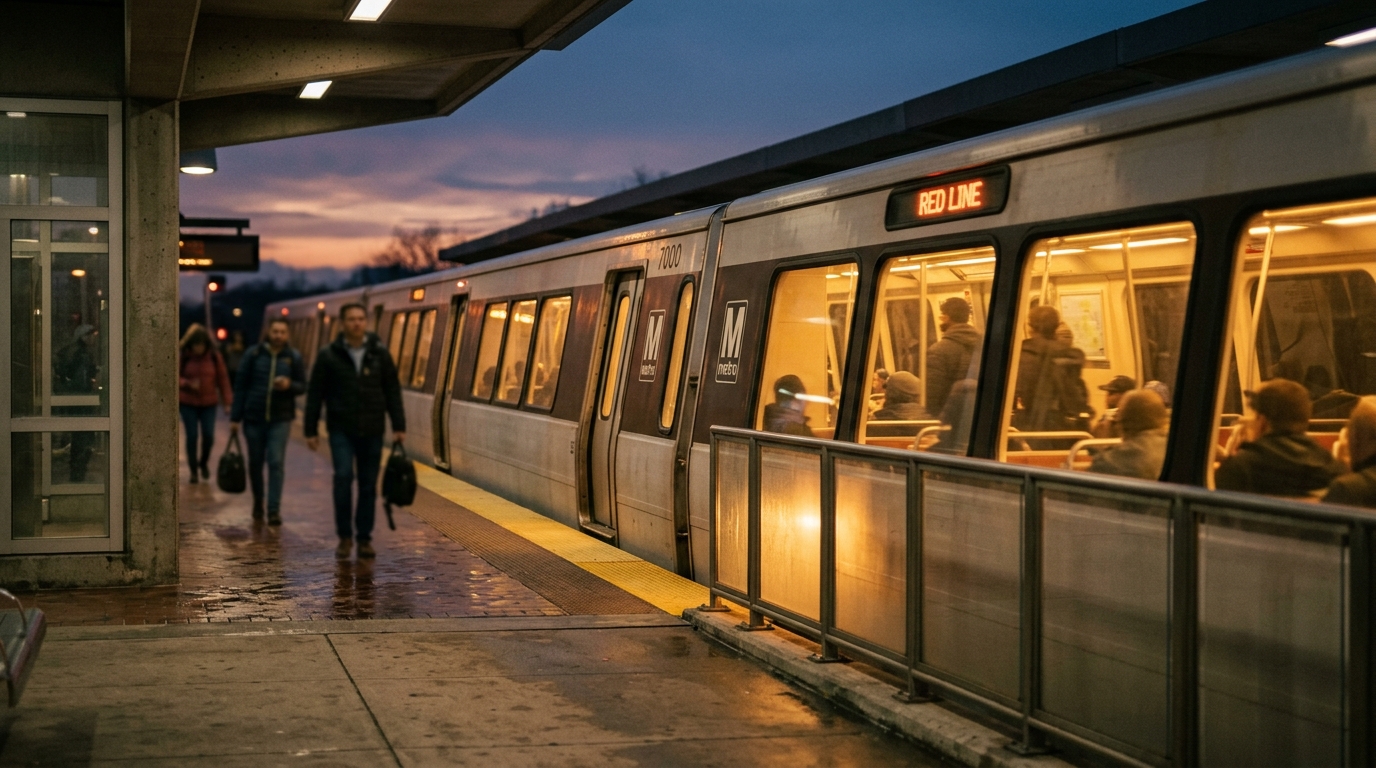
For generations, Baltimore's historic parks have served as vital green lungs, offering residents respite, recreation, and a connection to nature. These aren't just patches of grass; they're often meticulously designed landscapes with deep cultural significance, providing spaces for everything from quiet contemplation to community festivals. Their continued preservation and integration into a broader green network are key to maintaining Baltimore's unique character and livability. Alongside these established green havens, rail trails represent a transformative reuse of old transportation corridors. These pathways, often converted from disused railway lines, offer miles of paved or unpaved trails for walking, running, and cycling. They connect neighborhoods, provide safe routes for active transportation, and open up new vistas of the city, turning industrial relics into vibrant community assets. The presence of these trails encourages physical activity, reduces reliance on cars, and fosters a sense of community among users. More information on the benefits of urban trails can often be found through organizations like the Rails-to-Trails Conservancy.The Baltimore Greenway Trails Network: A Connected Vision
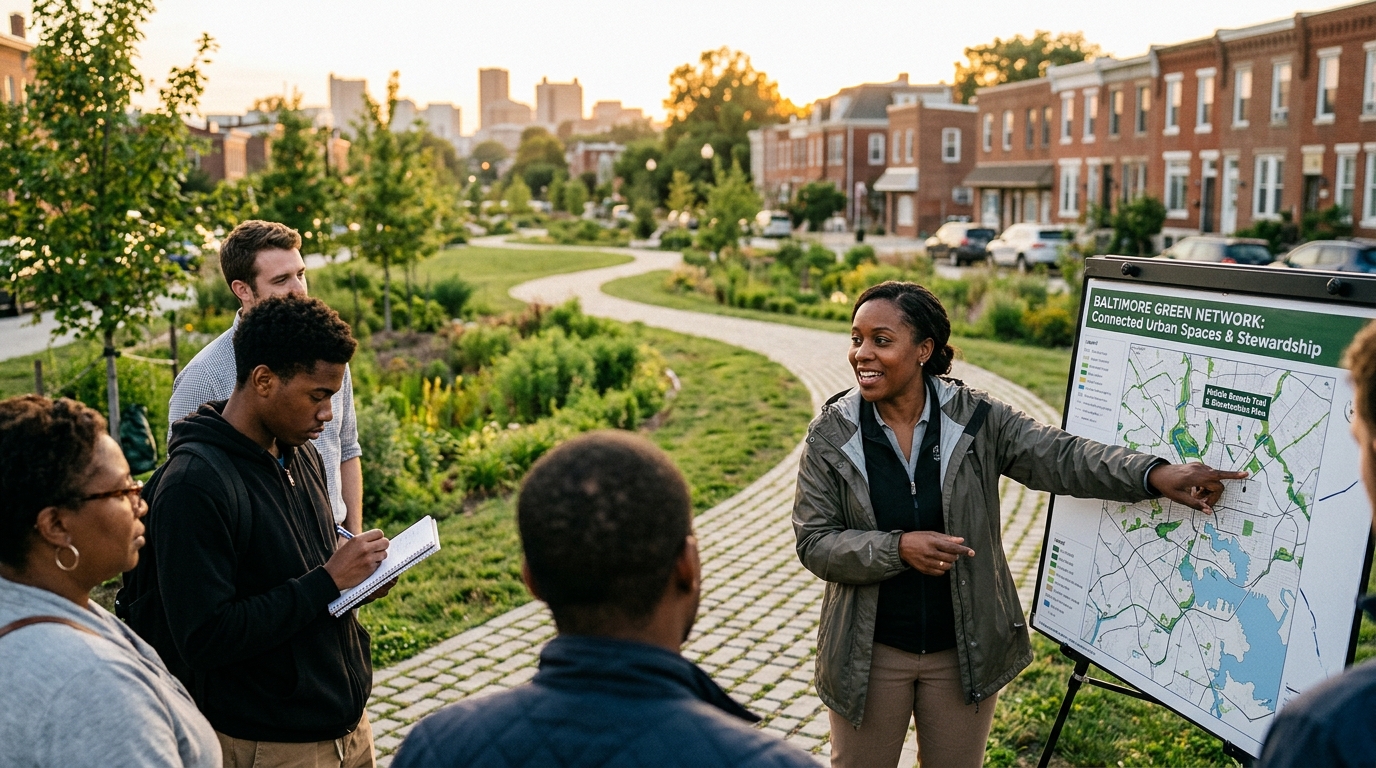
Perhaps the most ambitious aspect of Greater Baltimore's green infrastructure vision is the Baltimore Greenway Trails Network. This network aims to create truly interconnected urban green spaces, linking existing parks and trails into a cohesive system [1]. Imagine being able to traverse large parts of the city on foot or by bike, moving seamlessly from one green space to another, all while experiencing Baltimore's diverse neighborhoods. This network isn't just a convenience; it's a strategic move to enhance accessibility to green spaces for all residents, particularly in areas that have historically lacked adequate parkland. By weaving these pathways through the urban fabric, the network seeks to improve public health, foster community engagement, and even spur economic development in areas adjacent to the trails. The Baltimore City Department of Recreation and Parks often plays a central role in developing and maintaining such initiatives.Benefits Beyond Beauty: Why Green Spaces Matter for Business and Community
The impact of robust green infrastructure stretches far beyond just looking nice. For businesses, proximity to green spaces can increase property values, attract new residents and customers, and even improve employee well-being and productivity. Studies often show that areas with good access to parks and trails see a boost in local commerce and real estate appeal. Environmentally, these green spaces are critical for managing stormwater runoff, which is a significant challenge in older urban areas. They help filter pollutants, recharge groundwater, and reduce the burden on aging drainage systems. They also provide crucial habitats for urban wildlife, contributing to local biodiversity. From a community perspective, green infrastructure fosters social cohesion. Parks and trails are natural gathering places, encouraging interaction among neighbors and providing safe, accessible venues for events and activities. They offer opportunities for physical activity, which is vital for public health, and can even reduce stress and improve mental well-being. The Maryland Department of Natural Resources frequently highlights the broader environmental and community benefits of such projects across the state.What This Means for Baltimore Residents
For those living and working in Greater Baltimore, the continued development and enhancement of green infrastructure projects like the Greenway Trails Network mean a tangible improvement in quality of life. It points to a future where access to nature isn't a luxury but an integral part of urban living. Residents can look forward to more opportunities for recreation, healthier environments, and stronger community ties. As these plans continue to unfold, keeping an eye on local planning initiatives and community engagement opportunities will be key. Your input can help shape how these vital green spaces evolve, ensuring they serve the needs of every Baltimore neighborhood.📍 Local Resources
Manages and maintains Baltimore City's parks, green spaces, and recreational facilities, including many historic parks and sections of the greenway network.
A coalition of community organizations and advocates working to complete and promote the Baltimore Greenway Trails Network.
Invests in Baltimore's neighborhoods, often supporting initiatives that include greening efforts and community development.
Explore more on this topic
Related Stories
MOSS Building & Design Relocates Headquarters to Vienna, Replaces Longstanding Diamond Spa
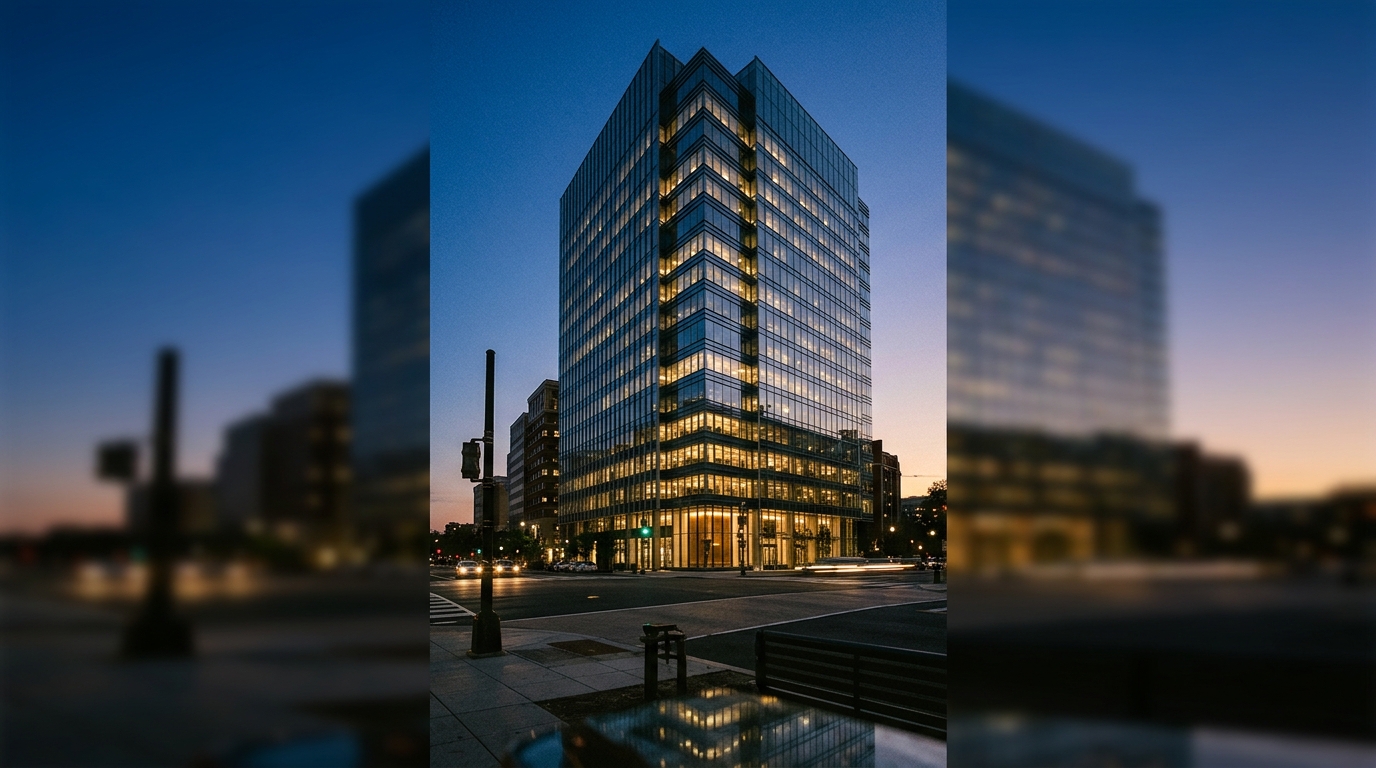
MOSS Building & Design, a Northern Virginia home remodeling firm, is moving its headquarters to 200 Mill Street NE in Vienna, replacing the longstanding Diamond Spa. This move coincides with the company's 25th anniversary, marking a significant change for a prominent commercial spot in the heart of Vienna.
Reston Defense Tech Firm Blue Sky Innovators Eyes 25% Staff Boost, New SCIF Facility
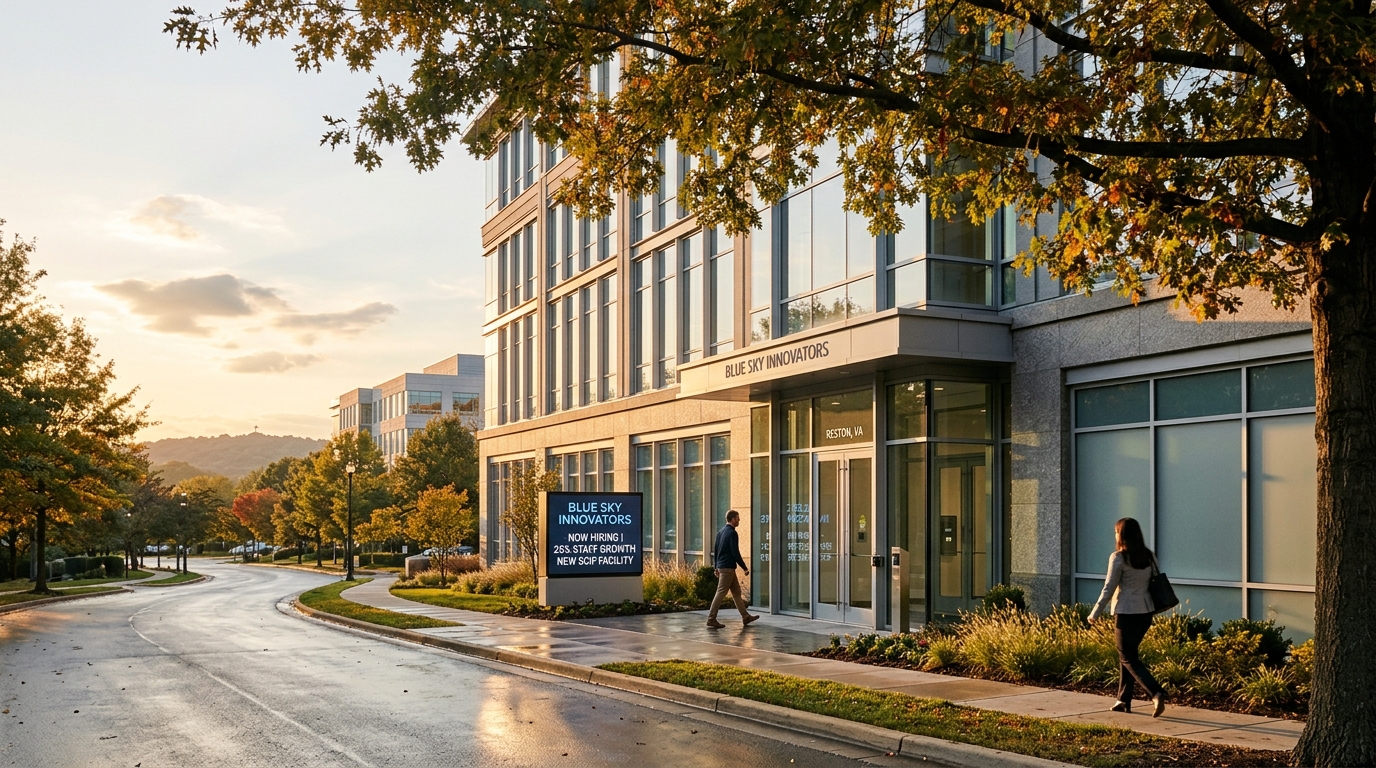
Reston-based defense tech firm Blue Sky Innovators plans to expand its workforce by over 25% and complete a new SCIF facility, signaling significant job growth for Northern Virginia.