Baltimore Commuters Embrace Free Transit as Gas Prices Surge, Fueling Economic Uncertainty
Share this article
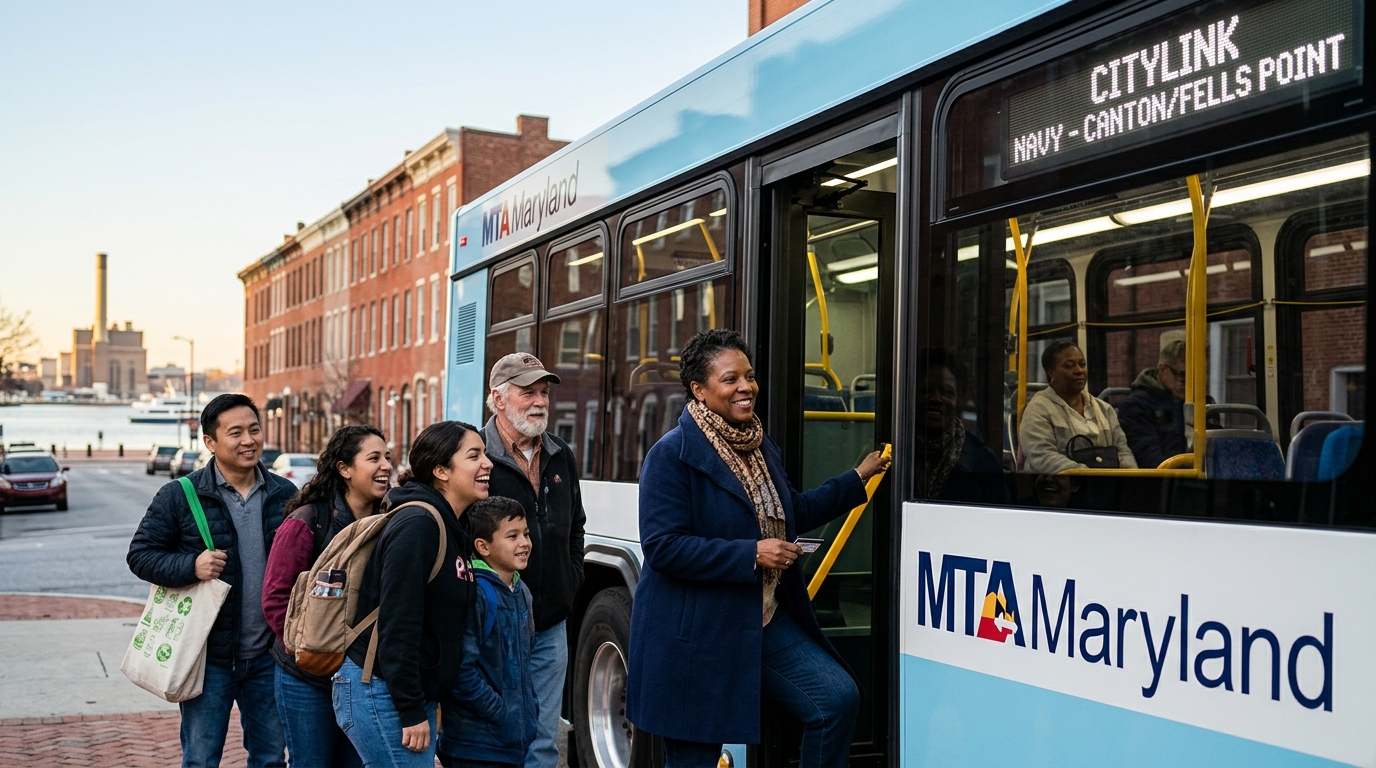
Baltimore residents are increasingly turning to free public transportation options as a pragmatic response to persistently rising and unpredictable gas prices. The financial strain at the pump, exacerbated by global events, is prompting a notable shift in commuting habits across the city, with many seeking relief from volatile fuel costs.
The upward trend in gas prices has been a consistent concern for households throughout the DMV region, but its impact is particularly felt in urban centers like Baltimore. Locals have voiced apprehension over the uncertainty of future fuel costs, a sentiment often tied to international developments such as the ongoing conflict in Iran [1]. This global instability translates directly into higher expenditures for everyday commuters, making alternative transportation methods more appealing than ever.
The Appeal of Public Transit Amidst Soaring Costs
For many Baltimoreans, public transit offers a tangible way to mitigate the financial burden of vehicle ownership and fuel expenses. The Maryland Transit Administration (MTA Maryland) operates a comprehensive network of buses, light rail, and metro services that serve the city and surrounding areas. While not all services are perpetually free, targeted initiatives or specific routes can provide cost-saving opportunities for residents.
A notable instance of this trend was observed during "410 Day," a local celebration on April 10th. On this day, some residents embraced the opportunity to hitch a free ride on public transportation throughout Baltimore [1]. This anecdotal evidence highlights a broader shift, where the availability of free or low-cost transit becomes a significant factor in daily commuting decisions, moving beyond mere convenience to financial necessity for many.
Economic Ripple Effects in Baltimore
The decision by more residents to forgo driving has broader implications for Baltimore's economy. A reduction in personal vehicle usage can lead to decreased demand for gasoline, potentially affecting local service stations and related businesses. Conversely, an increase in public transit ridership can boost the visibility and patronage of businesses located along transit routes, fostering a more pedestrian-friendly urban environment.
Furthermore, the move towards public transit can alleviate traffic congestion on major arteries like I-83 and I-95 entering and exiting the city, as well as within downtown Baltimore. Reduced traffic can lead to quicker commute times for essential services and goods delivery, contributing to overall urban efficiency. For information on current transit options and schedules, residents can visit the MTA Maryland official website.
Addressing Long-Term Transportation Needs
As gas prices remain a volatile factor, the long-term sustainability of free or heavily subsidized public transit becomes a pertinent discussion for city planners and policymakers. Investments in expanding and modernizing Baltimore's public transportation infrastructure could provide lasting benefits, offering a stable and affordable alternative to driving for a larger segment of the population. This not only supports residents' financial well-being but also aligns with broader environmental goals by reducing carbon emissions.
Understanding the factors influencing gas prices, such as global oil supply and geopolitical events, is crucial for both consumers and policymakers. The U.S. Energy Information Administration (EIA) provides extensive data and analysis on fuel trends, offering insights into the market dynamics affecting prices at the pump. For Maryland-specific transportation planning and initiatives, the Maryland Department of Transportation (MDOT) serves as a key resource.
The reliance on public transit in Baltimore underscores a critical need for accessible, reliable, and affordable transportation options. As residents navigate economic uncertainties, the city's public transit system plays an increasingly vital role in maintaining connectivity and supporting the daily lives of its diverse communities.
📍 Local Resources
Assistance with bus, light rail, and metro schedules, fares, and service alerts for Baltimore and surrounding areas.
Information on city streets, traffic management, bicycle infrastructure, and pedestrian initiatives within Baltimore.
Provides resources and assistance for consumers facing financial challenges, including budgeting and consumer rights.