Crime
Montgomery County
Ex-Postal Worker in Baltimore Charged with $700K Stolen Check Scheme
Share this article
Advertisement
It’s a breach of trust that hits close to home for anyone who relies on the mail, especially when it comes to their finances. Federal authorities in Baltimore have charged a former postal worker with a significant scheme involving the theft of an estimated $700,000 in checks, allegedly with a clear plan to sell them off. This kind of incident can shake public confidence in a service many DMV residents take for granted every single day. Derrick Stewart, an ex-employee of the U.S. Postal Service, is at the center of the allegations. He was reportedly caught with a staggering sum of stolen checks, amounting to hundreds of thousands of dollars. The charges, which include wire fraud, point to a deliberate plot to not just steal mail, but to profit from it by selling the pilfered financial instruments.
The Allegations: A Breach of Trust and a Lucrative Scheme
The core of the federal case against Stewart revolves around the alleged theft of mail containing checks and his subsequent intent to sell these stolen items. For many, the mail carrier is a familiar, trusted figure, a vital link in the daily flow of information and commerce. When someone in that position is accused of exploiting their access for personal gain, it raises serious questions about the security of the postal system. Stealing checks, particularly in such a large volume, isn't a simple act; it’s often part of a larger, sophisticated fraud operation. The fact that the checks totaled approximately $700,000 suggests a sustained pattern of theft, potentially impacting numerous individuals and businesses. This scale of alleged criminal activity highlights the significant financial risks associated with mail theft, not just for the immediate victims whose checks were stolen, but for the broader banking system.The Federal Response to Mail Fraud
Mail fraud is a serious federal offense, and cases involving postal employees are often pursued vigorously by federal prosecutors and the U.S. Postal Inspection Service (USPIS). This agency is the primary law enforcement arm of the Postal Service, tasked with protecting the mail system from misuse and criminal activity. Their investigations often involve meticulous tracking of stolen mail, financial forensics, and collaboration with other federal agencies to dismantle fraud rings. The charges against Stewart, specifically wire fraud, indicate that the alleged scheme likely involved electronic communications or transactions as part of the plan to sell the stolen checks. This could include using online platforms, encrypted messages, or other digital means to facilitate the illicit transactions. Wire fraud carries stiff penalties, reflecting the severe disruption it can cause to financial systems and individual livelihoods.Impact on DMV Residents and Mail Security
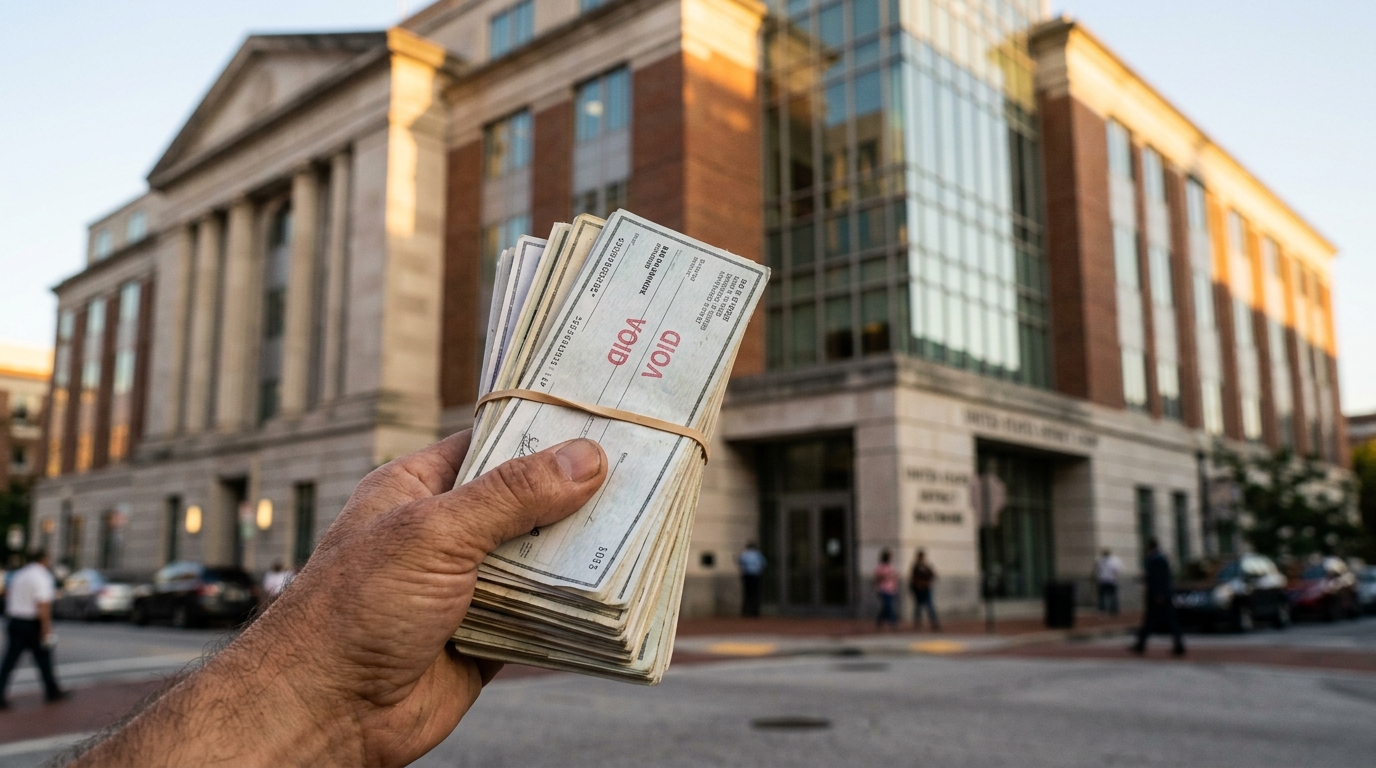
While this case originates in Baltimore, its implications ripple across the entire DMV region. Thousands of federal employees, including postal workers, live and work across Washington, D.C., Maryland, and Northern Virginia. Any instance of internal fraud within a federal agency, especially one as critical as the Postal Service, can erode public trust in government services. For residents in Baltimore, Montgomery County, Prince George's County, Arlington, and beyond, this incident serves as a stark reminder of the importance of vigilance when it comes to their mail. Financial documents, personal information, and even everyday bills sent through the mail can be targets for criminals. The U.S. Postal Service has systems in place to report mail theft, but prevention and awareness are key.Federal authorities allege an ex-postal worker in Baltimore was caught with approximately $700,000 in stolen checks, planning to sell them.
This isn't just about lost money; it's about the security of personal data. Stolen checks can be used for identity theft, opening fraudulent accounts, or making unauthorized purchases. It forces residents to be more cautious, checking bank statements frequently and considering alternative methods for sending sensitive information. Protecting Your Mail and Financial Information
In light of incidents like these, residents should consider several steps to safeguard their financial mail. Using secure, locked mailboxes for outgoing mail, or dropping sensitive items directly into a slot at a post office, can reduce vulnerability. Opting for online bill pay and electronic statements whenever possible also minimizes the amount of financial information traveling through the physical mail system. Moreover, regularly monitoring bank and credit card statements for any suspicious activity is crucial. Many banks offer fraud alerts that can notify you of unusual transactions in real-time. If you suspect your mail has been stolen, or if you notice unauthorized activity related to your finances, prompt action is essential. The alleged actions of one former employee don't define the entire Postal Service, but they do underscore the ongoing challenges of maintaining security within a vast network. Federal agencies continue to work to identify and prosecute those who abuse positions of trust. As this case moves through the federal courts, it will be a test of accountability for those entrusted with the public's mail. For DMV residents, it’s a potent reminder to stay alert and take proactive steps to secure their personal information. Keep an eye on your mail, report anything suspicious, and remember that protecting your financial well-being often starts with the seemingly small details.📍 Local Resources
U.S. Postal Inspection Service (USPIS)
Report mail theft, fraud, or suspicious activity involving the postal system. This is the primary law enforcement arm of the USPS.
📞 Phone: 1-877-876-2455 (Press 3 for Mail Theft)
🌐 Website: uspis.gov/report
🕐 Hours: 24/7 reporting line
Federal Trade Commission (FTC) - IdentityTheft.gov
If you suspect identity theft as a result of stolen mail or checks, report it here to get a personalized recovery plan.
🌐 Website: identitytheft.gov
📞 Phone: 1-877-438-4338
Maryland Attorney General - Consumer Protection Division
Provides resources and takes complaints for consumer fraud and identity theft affecting Maryland residents.
📞 Phone: (410) 528-8662
🌐 Website: marylandattorneygeneral.gov
📍 Location: 200 St. Paul Place, Baltimore, MD 21202
Advertisement