New Aviation Safety Bill, Spurred by Deadly DC-Area Midair Collision, Heads for House Vote
Share this article
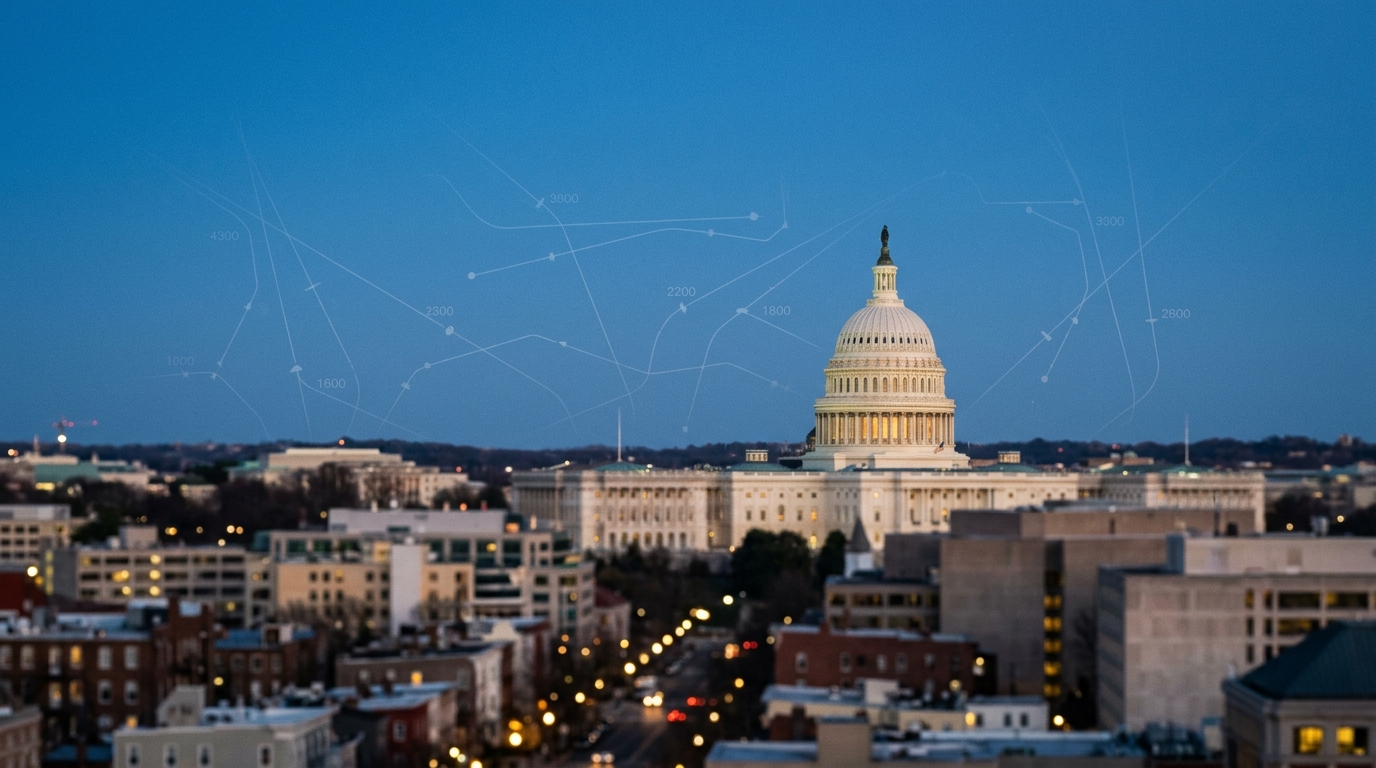
A critical piece of aviation safety legislation, directly influenced by a fatal midair collision near Washington, D.C., last year, is slated for a vote in the U.S. House of Representatives this Tuesday. The bill, known as the ALERT Act, aims to implement crucial lessons learned from the tragic incident, which involved a jet and an Army helicopter [1].
The proposed legislation underscores the ongoing commitment to enhancing safety protocols in one of the nation's busiest and most complex airspaces. For residents and frequent travelers across the DMV region, the bill's passage could signify a tangible step toward preventing future accidents and bolstering confidence in the safety of local skies.
Responding to a Regional Tragedy
The midair collision that prompted this legislative action occurred within the vicinity of the nation's capital, a region characterized by exceptionally heavy and diverse air traffic. This airspace manages not only commercial flights to and from major hubs like Ronald Reagan Washington National Airport, Washington Dulles International Airport, and Baltimore/Washington International Thurgood Marshall Airport, but also extensive military operations, private aircraft, and sensitive government air movements. The sheer volume and variety of air operations necessitate robust and continuously updated safety measures.
The incident, which involved a private jet and an Army helicopter, served as a stark reminder of the potential for catastrophic outcomes when safety protocols are insufficient or communication falters. While specific details of the collision's findings from accident investigators are not fully detailed in available reports related to the bill, the very existence of the ALERT Act indicates that significant systemic issues or gaps were identified that require a legislative remedy [1].
The ALERT Act: What It Aims to Achieve
While the exact provisions of the ALERT Act are not fully detailed in public reporting surrounding the House vote, its stated purpose is to "address lessons learned" from the collision. Typically, aviation safety legislation following such incidents focuses on areas like improved air traffic control technology, enhanced communication protocols between civilian and military aircraft, updated flight path regulations, or better training for pilots and air traffic controllers. Given the nature of the involved aircraft—a jet and an Army helicopter—the bill might specifically target coordination between civilian and military airspace management, a historically complex aspect of air traffic control in restricted zones like the DMV.
The legislation represents a proactive effort by Congress to respond to real-world safety challenges rather than waiting for further incidents. Lawmakers hope that by codifying new safety standards and operational requirements, they can significantly reduce the risk of future midair collisions, particularly in densely populated and highly trafficked areas like the DMV. For more information on the legislative process and to track the bill's progress, residents can visit the official website of the U.S. House of Representatives.
Implications for DMV Airspace and Residents
The DMV region's airspace is among the most closely monitored and regulated in the world, owing to its strategic importance and the constant presence of high-profile government and military flights. Any federal legislation impacting aviation safety here has direct and significant implications for millions of residents, commuters, and travelers.
Improved safety measures could lead to more stringent flight regulations, potentially affecting flight paths, noise levels, or even the frequency of certain types of air traffic. However, the primary goal remains the prevention of accidents, which ultimately benefits everyone in the region by ensuring safer skies and protecting communities on the ground from potential debris or crashes.
Federal agencies like the Federal Aviation Administration (FAA) and the National Transportation Safety Board (NTSB) play crucial roles in implementing and enforcing aviation safety standards. The NTSB investigates civil aviation accidents, determining probable causes and issuing safety recommendations, which often inform legislative efforts like the ALERT Act. The FAA is responsible for regulating U.S. commercial space transportation and ensuring the safety of air navigation. The ALERT Act, if passed, would likely mandate new directives for these agencies to enforce.
Looking Ahead
As the U.S. House prepares for its vote on the ALERT Act, the focus remains on enhancing the safety and security of the nation's airspace, particularly in critical regions like the DMV. The tragic incident that spurred this legislation serves as a powerful reminder of the continuous need for vigilance and adaptation in aviation safety. The bill's passage would not only honor the lessons learned from last year's collision but also reinforce the commitment to protecting both those in the air and those on the ground.