Politics
Arlington County
Arlington National Cemetery Sign Revised, Stripping Criticism of Confederate Memorial
Share this article
Advertisement
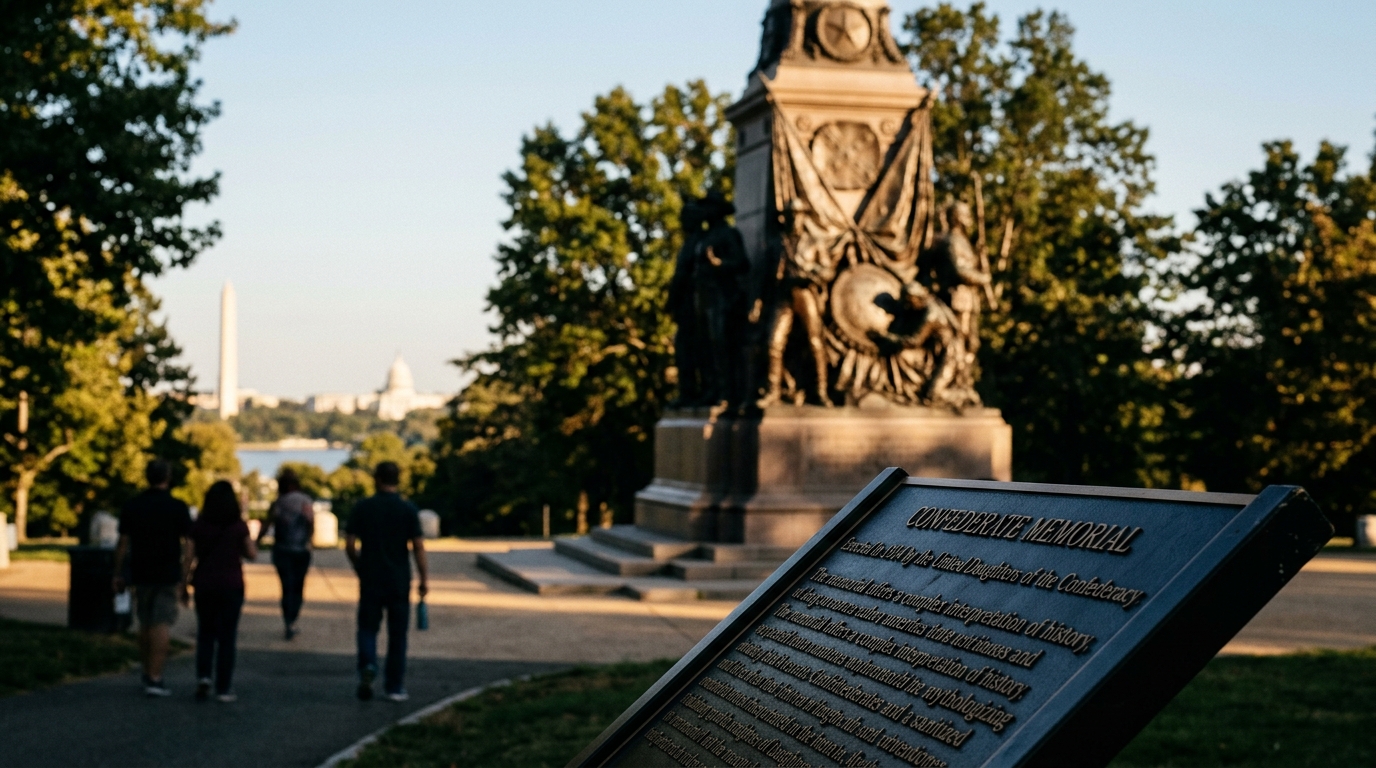
Visitors walking through Arlington National Cemetery will now encounter a subtly altered narrative at the site of the Confederate Memorial. In a move that has sparked conversation among historians and local residents, officials under the Trump administration have removed specific language from a new interpretive sign that previously described the 32-foot bronze statue as "mythologizing" the Confederacy and offering "sanitized" depictions of slavery. The change, reported by The Washington Post, affects how one of the nation's most hallowed grounds presents a controversial piece of its past. The Confederate Memorial, dedicated in 1914, has long been a focal point of debate, particularly in recent years as communities across the country grapple with the legacy of Confederate symbols in public spaces. The original language on the sign aimed to provide a critical, historically accurate context for the monument, acknowledging its role in post-Civil War efforts to reframe the Southern cause.
The revised sign at Arlington National Cemetery no longer uses terms like "mythologized" the Confederacy or "sanitized" depictions of slavery when referring to the Confederate Memorial.
The decision to revise the sign means that the direct, critical assessment of the memorial's historical framing is no longer explicitly presented to the thousands who visit the site annually. For many, the previous wording was a crucial step towards acknowledging the complex and often painful history associated with the Confederacy and its symbols. Its removal shifts the interpretive burden, potentially leaving visitors without the explicit context that the prior sign provided. A Shift in Historical Framing
The original language on the sign at the Confederate Memorial was part of a broader effort to offer a more nuanced and accurate historical account of monuments and memorials. Historians often emphasize that such statues, particularly those erected decades after the Civil War, were not simply tributes to fallen soldiers but also powerful symbols in the Jim Crow era, designed to promote a specific, often misleading, view of the Confederacy and its motivations. The phrase "mythologized" directly challenged the romanticized narratives that downplayed slavery and racial injustice, while "sanitized" pointed to the deliberate omission of the brutal realities of enslavement. Arlington National Cemetery, located just across the Potomac River from Washington, D.C. in Arlington, Virginia, serves as the final resting place for over 400,000 active duty service members, veterans, and their families. As a federal site managed by the U.S. Army, its interpretive materials carry significant weight and influence how millions understand American history. The inclusion of critical language on the initial sign was seen by many as a progressive step towards confronting difficult historical truths in a public setting.The Confederate Memorial's Contentious History
The Confederate Memorial itself is a striking bronze monument, standing 32 feet tall, featuring allegorical figures designed by sculptor Moses Jacob Ezekiel, a Confederate veteran. It depicts a woman, representing the South, crowning a Confederate soldier, while other figures symbolize various aspects of Southern society, including enslaved people depicted in what many consider subservient and idealized roles. The monument's presence in a national cemetery has long been controversial, especially given that many of those interred at Arlington fought to preserve the Union. The debate over Confederate monuments intensified nationwide following events in Charlottesville, Virginia, and other cities, leading to calls for removal, recontextualization, or relocation of such symbols. The decision to add critical language to the Arlington sign was a direct response to these ongoing national conversations about historical memory and public representation. Removing that language now signals a different approach to historical interpretation at this sensitive site.Impact on DMV Residents and Visitors
For DMV residents, particularly those in Arlington and surrounding communities, this change at Arlington National Cemetery is more than just a matter of wording on a sign. It reflects an ongoing tension over how history is told and remembered in public spaces that are part of their daily lives. Thousands of local families have connections to Arlington National Cemetery, whether through military service or frequent visits. The interpretive signs serve as educational tools for both residents and the millions of tourists who come to pay their respects and learn about American history. Altering these descriptions can change how visitors perceive the monument's place in history and its connection to the broader context of the Civil War and its aftermath. Understanding the full historical context of monuments like the Confederate Memorial is crucial for a comprehensive grasp of American history. The National Park Service, which oversees many historical sites, often grapples with how to present complex and sometimes painful histories in an accessible yet accurate manner. Their interpretive guidelines often emphasize the importance of presenting multiple perspectives and acknowledging difficult truths. The removal of this specific language from the Arlington National Cemetery sign could be viewed as a step back from a more critical engagement with the monument's origins. It highlights the ongoing political and cultural battles over how the nation's past is memorialized and understood, especially at sites of national significance. The broader discussion around these memorials, including those in nearby Richmond, VA, and other parts of the South, continues to evolve, making the interpretation at federal sites like Arlington particularly poignant. What this means for visitors to Arlington National Cemetery going forward is that they may need to seek out additional context beyond the official signage to fully understand the Confederate Memorial's complex place in American history. The ongoing conversation about historical interpretation at national landmarks, especially those within the DMV, is likely to continue, prompting residents and visitors alike to remain engaged and informed about how these stories are told.Advertisement
Explore more on this topic
Related Stories
Politics
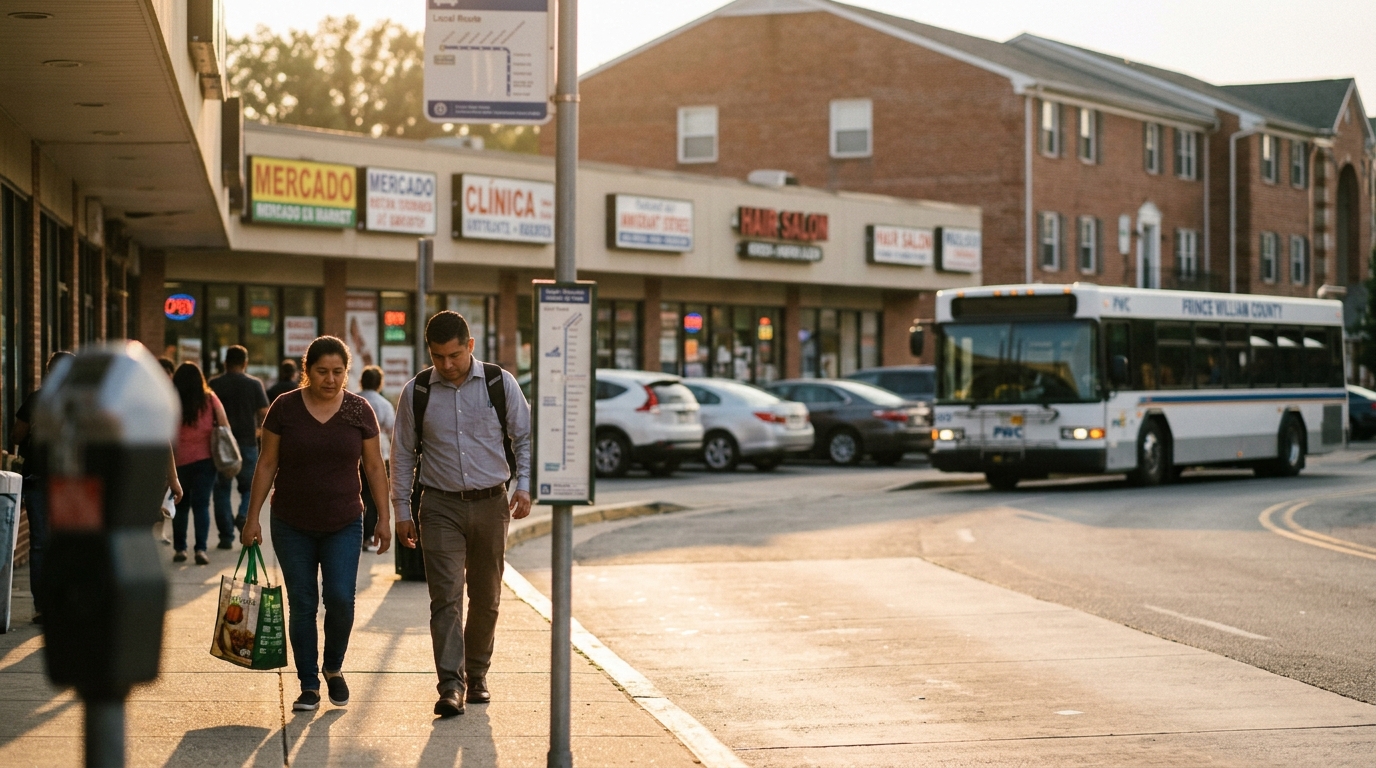
Prince William County Orders Comprehensive Audit of Its Immigration Policy
Politics
Prince William County's Board of Supervisors has ordered a comprehensive audit of its immigration policy, signaling a deep dive into local operations and their impact on the diverse community. This review aims to assess the effectiveness and legality of current practices, potentially bringing changes to law enforcement interactions with federal agencies and county service delivery for all residents.
about 2 hours ago5 min read

Politics
Maryland Voters See Barrage of Ads for Redistricting Ballot Question
Montgomery County·Politics
A new wave of pro-redistricting ballot question ads is hitting Maryland airwaves, phones, and mailboxes, pushing for changes to how the state draws its political maps. This campaign highlights the ongoing debate over fair representation and the impact of gerrymandering on local communities in the DMV.
2 days ago4 min read

Politics
DCPS Political Ideology Survey Sparks Parental Outcry Over Data Collection
Howard County·Politics
3 days ago4 min read