Politics
Arlington County
Arlington Leaders Seek Stronger Voice in Virginia's Autonomous Vehicle Future
Share this article
Advertisement
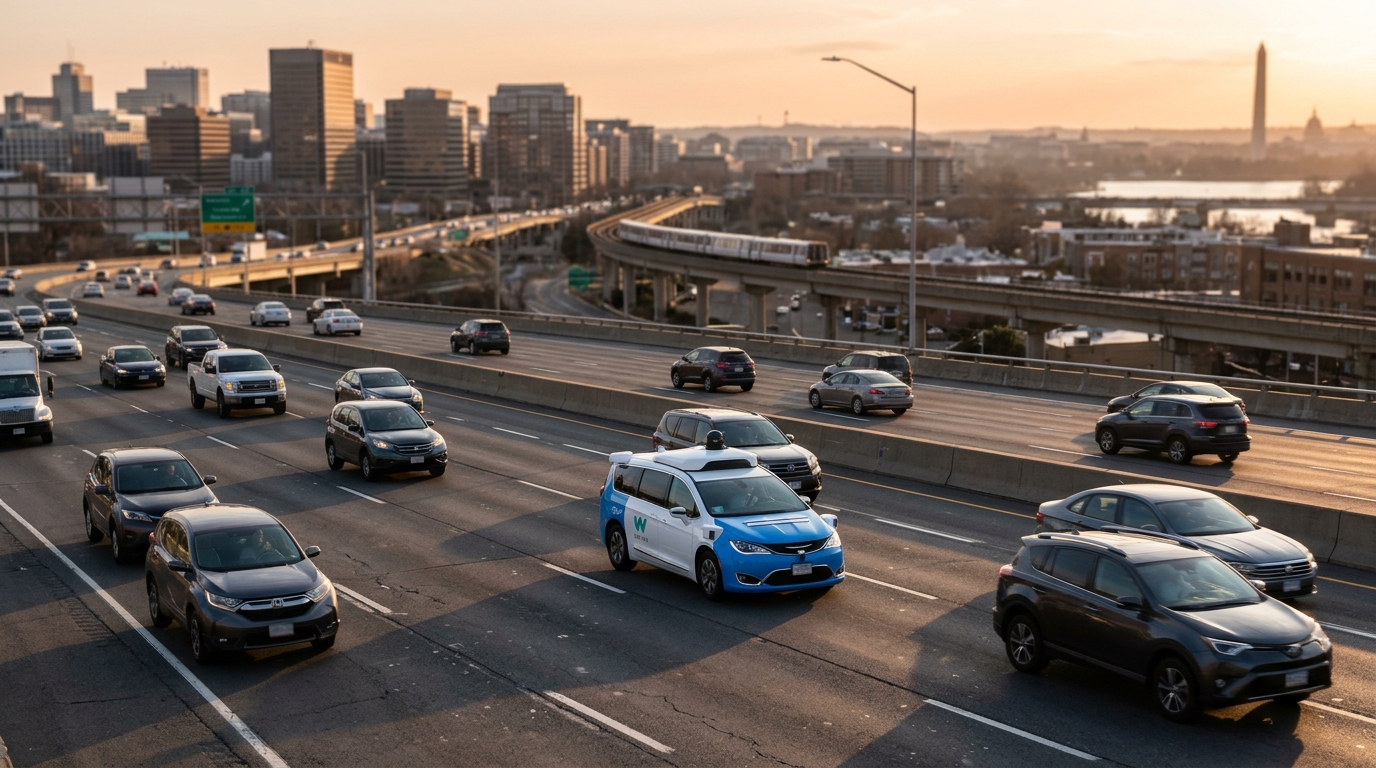
The quiet hum of an electric, self-driving car might feel like a distant future to some, but for Arlington County, the advent of autonomous vehicles like those operated by Waymo is a very real, very present policy discussion. And local leaders here are making it clear: they want a firm hand in shaping how this technology integrates into the community, rather than leaving all decisions to the state level. This isn't just about a new gadget on the road; it's about who gets to decide how our streets are used, how traffic flows, and what safety standards apply right here in our neighborhoods. Arlington's leadership is pushing for significant local input as Virginia navigates the complex regulatory landscape surrounding autonomous vehicle (AV) operations [1].
The Rise of Autonomous Vehicles in the DMV
Waymo, a prominent player in the autonomous driving sector, is part of a broader technological shift that's poised to transform urban transportation. These vehicles, which operate without human intervention, promise a future of potentially safer roads, reduced congestion, and improved accessibility. However, their deployment also raises critical questions about safety, infrastructure, and local governance. Across the country, states and municipalities are grappling with how to regulate these advanced systems. In Virginia, like many states, initial legislation often comes from the General Assembly, aiming to create a uniform framework. But what works on a rural highway might not be suitable for the dense, multi-modal streets of Arlington, with its bustling Clarendon Boulevard, busy Route 1 corridors, and intricate residential networks. This is precisely the tension Arlington leaders are addressing.Arlington leaders are pushing for significant local input as Virginia navigates the complex regulatory landscape surrounding autonomous vehicle operations.
Why Local Control Matters to Arlington
Arlington County is a unique beast in the DMV, known for its urban density, heavy reliance on public transit, and a forward-thinking approach to urban planning. The county's specific infrastructure, pedestrian-heavy areas, and existing traffic management strategies mean that a one-size-fits-all state regulation for autonomous vehicles simply won't cut it. Local leaders are concerned about several key areas where county-level input is essential:- Safety Protocols: How will AVs interact with pedestrians, cyclists, and traditional vehicles on Arlington's busy streets? Who will respond to incidents involving AVs, and what data will be shared with local emergency services?
- Traffic Management: Will AVs exacerbate or alleviate congestion? How will they integrate with existing traffic signals, bus lanes, and metro stations?
- Infrastructure Impact: What demands will AV fleets place on charging infrastructure, parking, and curb space? Will existing road markings and signage be sufficient, or will upgrades be needed at local expense?
- Public Acceptance and Equity: How will autonomous services impact residents who rely on traditional transit or those without access to ride-sharing? Ensuring equitable access and addressing community concerns are paramount.
Navigating State vs. Local Authority
The desire for local control often bumps up against state preemption laws, which can limit how much say cities and counties have over certain industries or services. For autonomous vehicles, many states have passed legislation that places primary regulatory authority with state agencies, often the Department of Motor Vehicles or the Department of Transportation. However, local governments argue that they are on the front lines of implementation. They bear the brunt of traffic impacts, manage emergency responses, and are directly accountable to residents for the quality of life in their communities. Arlington's push is a call for a more collaborative approach, where state frameworks provide a baseline, but local jurisdictions retain the flexibility to impose additional requirements or participate in pilot programs that suit their unique environments. This local advocacy mirrors a broader national conversation. Organizations like the National Highway Traffic Safety Administration (NHTSA) provide federal guidance, but the actual implementation and daily management of AVs largely fall to state and local governments. Arlington's leaders are looking to ensure that the county's voice is heard at the Virginia state legislative level, potentially influencing future bills or amendments that grant more local autonomy.What This Means for Arlington Residents
For those living, working, and commuting in Arlington, this push for local control is significant. It means that decisions about how autonomous vehicles operate on our roads will likely be more tailored to our specific needs and concerns. Residents could see:- Localized Pilot Programs: Opportunities for the county to test AV services in specific zones or during off-peak hours, allowing for controlled evaluation before widespread deployment.
- Enhanced Safety Oversight: Local officials could have a direct role in reviewing safety data and setting operational parameters that prioritize pedestrian and cyclist safety.
- Community Engagement: More avenues for residents to provide feedback and shape policies as these technologies evolve.
Advertisement
Explore more on this topic
Related Stories
Politics
Frederick County's Long-Serving Sheriff Chuck Jenkins Loses Re-Election Bid
Politics
Frederick County's long-serving "MAGA sheriff" Chuck Jenkins has lost his bid for a sixth term, marking a significant political shift in the DMV region.
less than a minute ago4 min read
Politics
Virginia Moves to Enshrine Same-Sex Marriage, Reproductive Freedoms in State Constitution
Arlington County·Politics
about 3 hours ago4 min read
Politics
Jamie Raskin Poised for House Judiciary Gavel as Maryland Races Conclude
Montgomery County·Politics
Congressman Jamie Raskin, representing Maryland's 8th District, is reportedly in line to chair the influential House Judiciary Committee, a move that could significantly amplify the DMV's voice in national politics as election results finalize.
about 4 hours ago5 min read