Arlington Cuts Key Historic Preservation Role, Sparking Concerns for County Heritage
Share this article
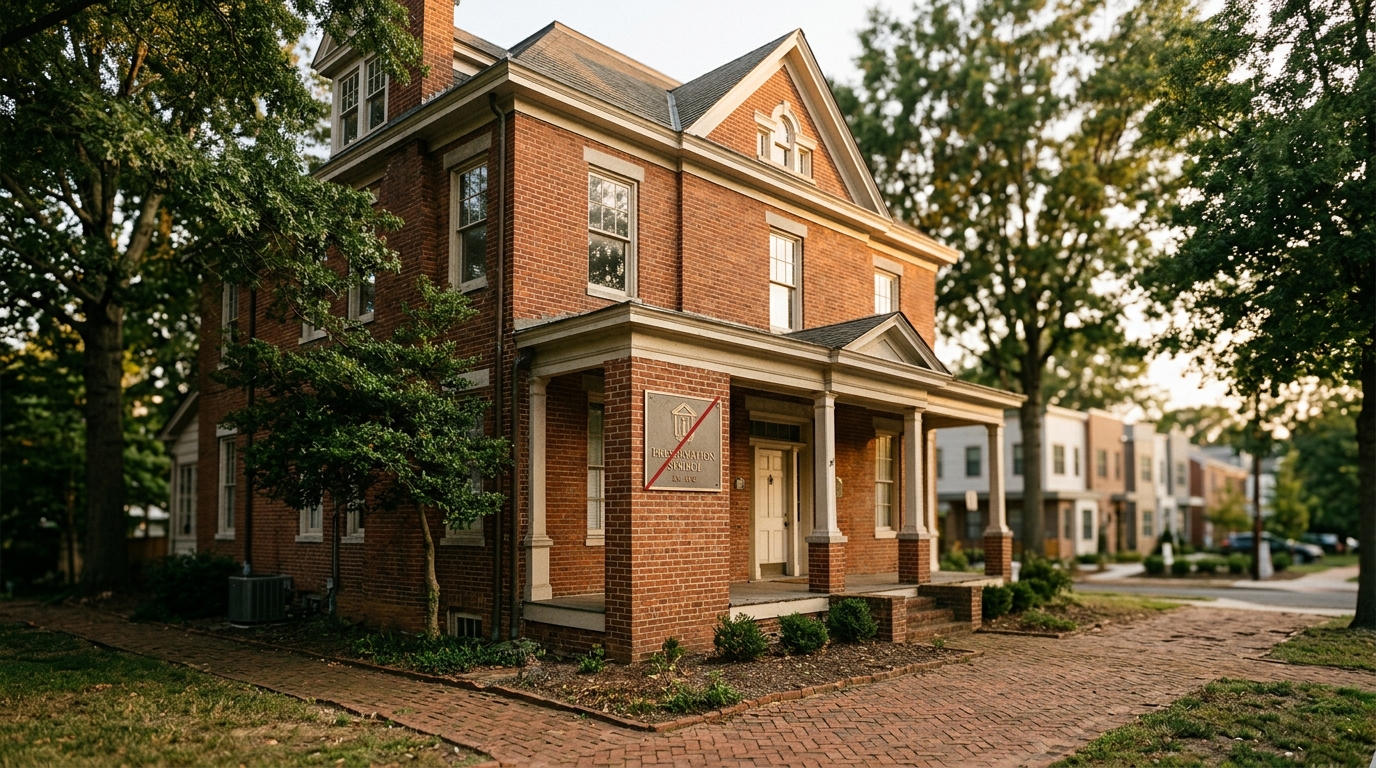
A crucial piece of Arlington County's effort to safeguard its unique past is reportedly on the chopping block, with officials confirming a key historic preservation position has been eliminated from the county's budget. This move is expected to significantly limit the services available to protect and interpret Arlington's rich historical and architectural heritage, leaving residents and preservation advocates wondering how the county will continue to manage its precious landmarks and historical districts.
The decision comes as the county navigates its financial priorities, but the impact on the historic preservation office is clear: fewer hands to do essential work. Historic preservation isn't just about old buildings; it's about maintaining the character of neighborhoods like Cherrydale, the stories embedded in sites like Arlington House, and the very identity of our community. Losing a dedicated staff member in this field means that the careful balance between development and preserving what makes Arlington, well, Arlington, just got a lot trickier.
Budgetary Shifts Impact Preservation Efforts
The specific position in question, detailed in a recent report by ARLnow, is a vital component of Arlington's Department of Community Planning. This office is tasked with a broad range of responsibilities, from reviewing proposed developments in historic districts to providing guidance on the restoration of historic properties and maintaining the county's inventory of historically significant sites. The cut means one less expert dedicated to these intricate tasks, which often require specialized knowledge of architectural history, urban planning, and local regulations.
County officials have acknowledged the impending challenges. The reduction in staff will undoubtedly necessitate a reevaluation of priorities and a streamlining of processes, which could mean longer wait times for reviews, a reduction in proactive outreach, or even a narrowing of the scope of services offered. The ripple effect could touch everything from homeowners looking to renovate a historic property to developers planning projects near designated landmarks.
"We will need to be doing some adjustments — see what other options we have," — Arlington County Official (ARLnow)
The Critical Role of Historic Preservation in Arlington
Arlington County boasts a unique and diverse historical landscape, ranging from Civil War-era estates to early 20th-century streetcar suburbs and iconic mid-century modern buildings. The county's Historic Preservation Program works to identify, protect, and enhance these resources, ensuring they remain part of the community's fabric for future generations. This isn't merely an aesthetic concern; it's an economic one too, as historic districts often contribute to property values and local tourism, and a cultural one, as these sites tell the story of Arlington's evolution.
The preservation office plays a crucial role in supporting the Historic Affairs and Landmark Review Board (HALRB), an advisory body that reviews applications for Certificates of Appropriateness for work on designated historic properties and in historic districts. With one less staff member, the administrative and research burden on the remaining team, and consequently on the volunteer board members, will likely increase. This could slow down the review process for residents and businesses seeking to make changes to their properties, potentially creating bottlenecks and frustrations.
What "Limiting Services" Could Mean for Residents
When county officials talk about "limiting services," it's not just bureaucratic jargon. For Arlington residents, this could translate into several tangible impacts:
- Slower Permit Reviews: Homeowners in historic districts undertaking renovations or repairs may experience longer waiting times for their project approvals.
- Reduced Outreach and Education: The office's capacity to engage with the community on the importance of preservation, conduct historical surveys, or offer educational programs might diminish.
- Less Proactive Identification: New historically significant sites might be identified and protected at a slower pace, potentially leaving some vulnerable to unchecked development.
- Strain on Existing Staff: The remaining team members will likely face increased workloads, which could lead to burnout and affect the quality of service over time.
These limitations could have a profound effect on the county's ability to maintain its architectural treasures and the stories they tell. Protecting Arlington's heritage isn't a static task; it requires ongoing vigilance, expert guidance, and dedicated resources to balance the pressures of growth and development with the desire to retain community character.
The Future of Arlington's Historic Legacy
The decision to cut this position reflects a tough choice in the county's budget process, but it also underscores the perennial challenge of prioritizing cultural assets amidst competing demands. Moving forward, Arlington County will need to find innovative ways to support its historic preservation goals with fewer resources. This might involve relying more heavily on technology for documentation, fostering stronger partnerships with local historical societies and volunteer groups, or exploring new funding mechanisms.
For residents passionate about Arlington's history, staying informed and advocating for preservation efforts will be more important than ever. The county's Department of Community Planning, Housing and Development remains the primary point of contact for these matters, and understanding the revised processes will be key for anyone involved in projects affecting historic properties.
As Arlington continues to grow and evolve, the question of how it preserves its past becomes even more pressing. The county's approach to historic preservation in the wake of this budget cut will be a critical indicator of its commitment to its unique identity and legacy.
📍 Local Resources
Oversees planning, zoning, and historic preservation. Contact for inquiries regarding historic properties and districts.
Volunteer board reviewing applications for changes to historic properties and districts. Contact CPHD for meeting schedules and application procedures.
A non-profit organization dedicated to preserving and promoting Arlington County's history through education and advocacy.