Real Estate
Arlington County
Arlington Greenlights Two More Office-to-Housing Conversions in Crystal City
Share this article
Advertisement
Arlington County has taken another step in reshaping its urban landscape, giving the nod to transform two additional office buildings in Crystal City into residential units. This latest approval underscores a significant regional trend: adapting underutilized commercial spaces to meet the growing demand for housing and revitalize urban centers. The decision reflects a broader strategy to diversify Crystal City's economic base, moving beyond its traditional role as a nine-to-five office hub. With shifting work patterns and a robust housing market, converting aging office stock into residences has become a crucial play for communities across the DMV area.
A Shifting Skyline for Crystal City
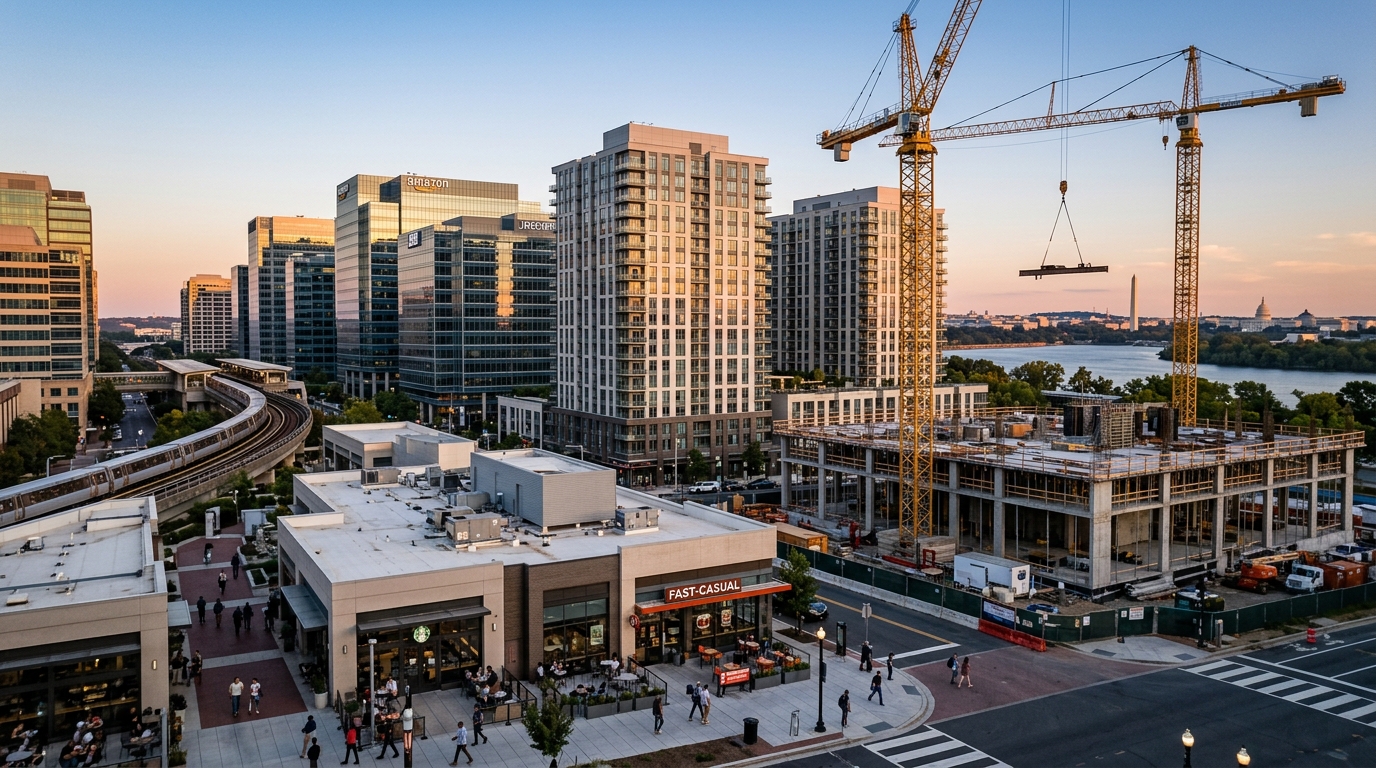
Crystal City has been in a state of dynamic transformation for years, a process accelerated by the arrival of Amazon's HQ2. The vision for the neighborhood is increasingly one of a vibrant, mixed-use community where people can live, work, and play without extensive commutes. These new residential conversions fit squarely into that evolving picture, aiming to bring more residents closer to transit, retail, and amenities. The demand for housing in Arlington remains strong, driven by its proximity to Washington, D.C., robust job market, and highly-rated public services. By converting existing structures, the county can add housing stock without requiring extensive new construction on undeveloped land, which is increasingly scarce in dense urban areas. It's a pragmatic approach to urban development that addresses multiple challenges at once.Adapting to Office Vacancies
The economic drivers behind office-to-residential conversions are clear: a surplus of office space coupled with a deficit of housing. Across the DMV, office vacancy rates have climbed, leaving many buildings underoccupied and struggling to attract new tenants. This trend was amplified by the pandemic, which accelerated remote and hybrid work models.The conversion of underutilized office buildings into residential units is a critical strategy for addressing both the region's housing shortage and the evolving demands of the commercial real estate market.
For property owners, conversion can be a financially viable alternative to maintaining empty or partially leased office buildings. For the county, it means turning a potential blight into a vibrant asset, generating property taxes from new residents and supporting local businesses with increased foot traffic. The Arlington County Department of Community Planning, Housing and Development has been actively exploring such adaptive reuse projects as part of its long-term development plans. The Approval Process and Local Impact
The recent approvals were granted by the Arlington County Board, signaling their continued commitment to this adaptive reuse strategy. While specific details about the two buildings – such as their addresses or the number of units they will yield – were not immediately available, their conversion will undoubtedly contribute to the evolving character of Crystal City. These projects aren't just about adding apartments; they're about fostering a more active street life, especially after business hours. More residents mean more patrons for local restaurants, shops, and entertainment venues, creating a more robust local economy. It also means potentially increased demand on local infrastructure, including public transit like Metro and school capacity, which the county will need to continue to monitor and address. This trend is part of a larger movement seen in cities like Washington, D.C., where office-to-housing conversions are gaining significant traction.What This Means for Arlington Residents
For those living and working in Crystal City and surrounding Arlington neighborhoods, these approvals signal a continued shift towards a more residential-focused urban core. It means more neighbors, potentially more demand on local infrastructure like Metro and schools, but also a more active street life outside of traditional business hours. The transformation aims to create a 24/7 community, moving away from the nine-to-five office district of old. Residents can expect to see more cranes and construction as these projects get underway, but also the eventual opening of new homes that will draw even more people to the vibrant area. As Crystal City continues its dramatic transformation, these two new residential conversions are just the latest chapter. What remains to be seen is the exact timeline for these projects and how quickly they will bring new residents to the neighborhood. Arlington residents should keep an eye on county planning updates for more specific details about these and future adaptive reuse initiatives. The ongoing evolution of Crystal City remains a key story for Arlington and the wider DMV.Advertisement