Alexandria Considers Paid Sunday Parking, Meter Rate Hikes: What It Means for Residents and Businesses
Share this article
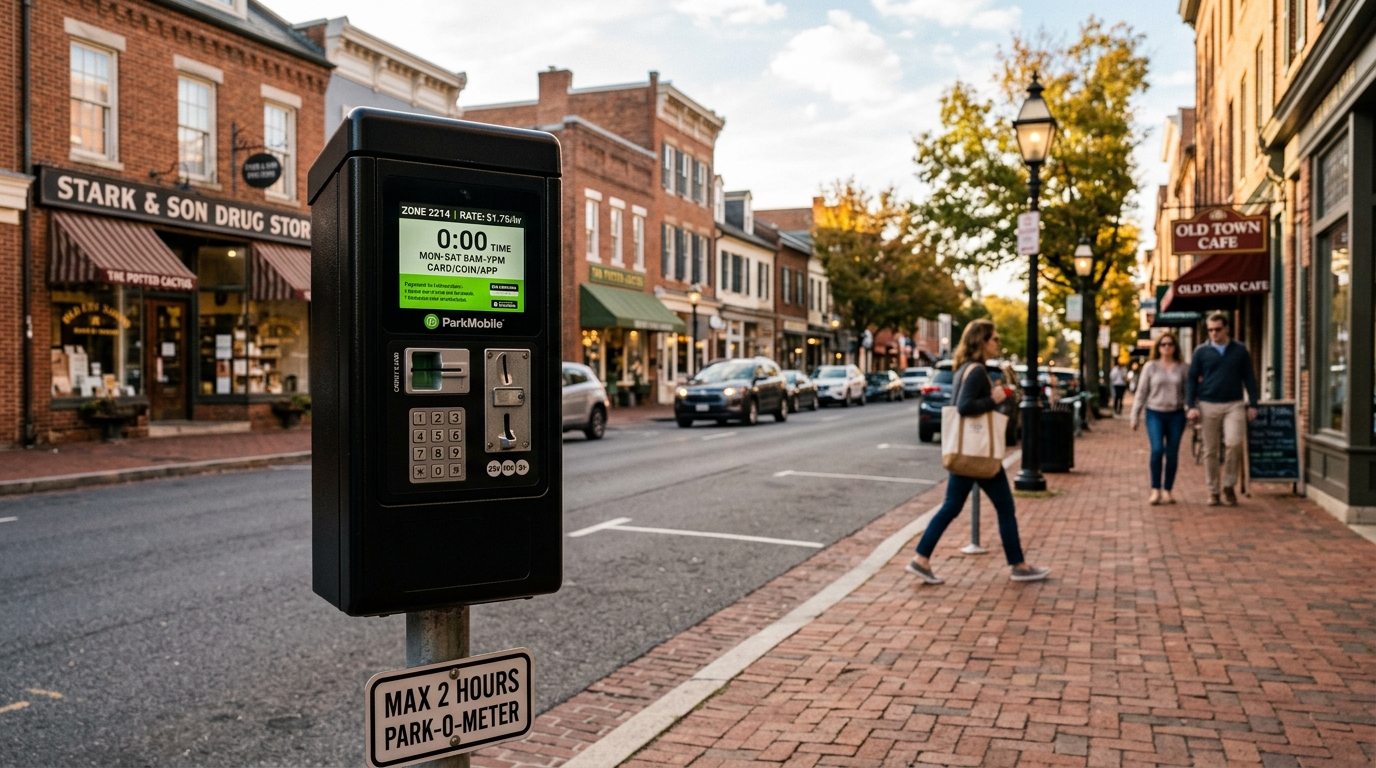
Alexandria City Manager Jim Parajon has put forward a proposal that would significantly alter parking regulations and costs within the city, advocating for the implementation of paid parking on Sundays and an increase in existing parking meter rates. These initiatives are integral components of Parajon's proposed fiscal year budget, which aims to address the city's financial needs [1].
The proposal, presented to the Alexandria City Council, signals a potential shift in how residents and visitors access and pay for parking, particularly in popular commercial districts like Old Town and Del Ray. If approved, the changes could impact everything from Sunday brunch plans to local business patronage.
The Proposed Changes: Sundays and Increased Rates
Currently, parking meters in Alexandria typically operate from Monday through Saturday, with Sundays often offering free parking in many metered zones. City Manager Jim Parajon's plan seeks to extend paid parking enforcement to Sundays, aligning it with the operational schedule of other weekdays [1]. While specific hours for Sunday enforcement were not detailed in initial reports, they are expected to mirror typical weekday paid parking hours.
In addition to expanding paid parking to Sundays, the proposal also calls for an increase in the per-hour rate for existing parking meters. The exact percentage or new hourly rate has not been publicly detailed, but any increase would add to the cost of parking across the city's metered zones. These adjustments are part of a broader strategy to generate revenue for the city and manage parking demand more effectively.
Why the Change? Budgetary Needs and Parking Management
The impetus behind these proposed changes is rooted in Alexandria's ongoing budgetary considerations. City Manager Parajon's proposed budget aims to secure necessary funding for various municipal services and projects. Revenue generated from extended paid parking and increased rates would contribute to the city's general fund, helping to support public safety, infrastructure, education, and other essential services.
Beyond revenue generation, the proposal also touches on parking management. By extending paid parking to Sundays, the city could aim to encourage turnover in popular parking spots, making it easier for visitors and shoppers to find available spaces. This approach is common in many urban centers that struggle with high parking demand, especially during peak times like weekends.
Impact on Alexandria Residents and Businesses
The potential implications of these parking changes are far-reaching. For residents who frequently park in metered zones on Sundays for errands, dining, or leisure, the new fees would represent an additional recurring expense. Visitors to Alexandria, a popular tourist destination, would also face increased costs, which could influence their travel decisions.
Local businesses, particularly those in Old Town, Del Ray, and other commercial corridors, could experience mixed effects. While increased parking turnover might make spaces more accessible for customers, the added cost could deter some patrons, especially those making short stops or on tighter budgets. Business owners and local merchant associations will likely weigh in on the proposal, advocating for solutions that support both city revenue and economic vitality.
The Alexandria City Council will ultimately decide on the adoption of these parking proposals as part of the larger budget approval process. Public hearings and community input sessions are typically part of this process, providing residents and stakeholders an opportunity to voice their perspectives on the proposed changes. Information on upcoming City Council meetings and public forums is available on the city's official website.
📍 Local Resources
Official source for City Council meeting schedules, agendas, and contact information for council members to provide feedback on proposed ordinances.
Provides information on parking regulations, permits, and transportation planning within the city.
Represents local businesses and can provide resources and advocacy regarding city policies impacting commercial activity.