Community
Alexandria
Congress Chartered Alexandria Canal Company 1830: A Look Back at a Pivotal Moment for Old Town
Share this article
Advertisement
Nearly two centuries ago, on a spring day much like today, a decision was made in Washington that would significantly shape the burgeoning port town of Alexandria. It was May 26, 1830, when the United States Congress officially granted a charter to the Alexandria Canal Company, setting in motion plans for a vital piece of infrastructure that aimed to connect the city's bustling waterfront with the broader agricultural markets of the American interior. This legislative act wasn't just a formality; it was a testament to Alexandria's ambition and its strategic importance in the young nation's economy. The idea for the canal had been circulating for a while, formally proposed earlier that same year, according to a historical note from ALXnow [1]. At the time, Alexandria was a thriving port, but its growth was constrained by its limited access to inland trade routes. Farmers in western Maryland and beyond relied heavily on river transport and rudimentary roads to bring their goods to market, often preferring the larger port of Georgetown via the Chesapeake and Ohio (C&O) Canal. Alexandria's leaders saw an opportunity to divert some of that lucrative trade, cementing their city's role as a commercial powerhouse.
The Vision Behind the Charter
The charter from Congress wasn't just about digging a ditch; it was about investing in the future of an entire region. The plan for the Alexandria Canal was ambitious: to construct a seven-mile-long navigable waterway that would branch off the C&O Canal at a point near Georgetown, cross the Potomac River via an aqueduct, and terminate directly in Alexandria's harbor. This connection was crucial, promising to link Alexandria directly to the vast network of waterways extending into the Appalachian region and beyond.The Alexandria Canal project, chartered by Congress in 1830, represented a monumental effort to solidify the city's economic future by linking its port to the expanding inland trade routes.
For the residents and merchants of Alexandria, this meant a potential boom. Cheaper, more reliable transportation for goods like coal, flour, and tobacco would flow directly into their warehouses and onto ships bound for international markets. It promised to create jobs, attract new businesses, and elevate Alexandria's status in the competitive landscape of East Coast ports. The congressional charter provided the legal framework and legitimacy necessary to raise capital and begin the monumental engineering task. Engineering a Connection Across the Potomac
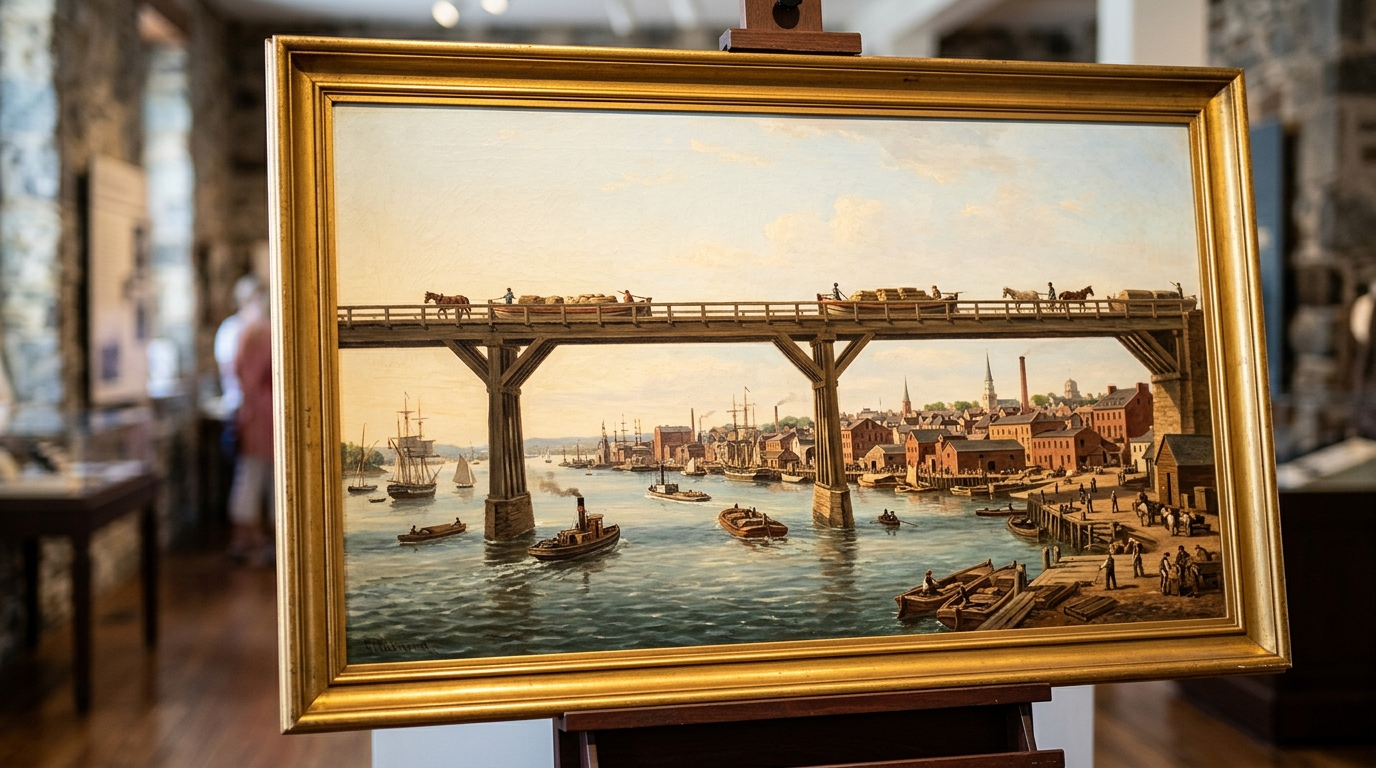
Constructing the canal was no small feat for the 19th century. The most impressive and challenging aspect of the project was undoubtedly the "Alexandria Aqueduct." This stone structure would carry the canal over the Potomac River, a marvel of engineering that allowed barges to float directly from the C&O Canal into the Alexandria branch. While the C&O Canal itself was a federal project, the Alexandria Canal Company was a private venture, albeit one with significant public interest and congressional backing. The aqueduct, completed in 1843, was a testament to the era's engineering prowess, featuring several arches supporting the water-filled trough. It became a landmark in its own right, facilitating the movement of goods and people and symbolizing Alexandria's determination to remain a relevant commercial hub. More information on the historical significance of such infrastructure can be found through the National Park Service, which oversees parts of the C&O Canal system.Lasting Impact and Legacy
The Alexandria Canal operated for several decades, playing a significant role in the city's economy, particularly in the coal trade from western Maryland. Barges laden with coal would travel down the C&O Canal, across the aqueduct, and unload directly into Alexandria's port, fueling industries and homes across the region. However, its lifespan was ultimately limited by the rise of a new, faster mode of transport: the railroad. By the late 19th century, the efficiency and reach of railways began to overshadow canals. The aqueduct itself suffered damage during the Civil War and was eventually converted into a bridge for streetcars, then later replaced by the Francis Scott Key Bridge. Today, remnants of the Alexandria Canal can still be found in various forms, from historical markers to subtle landscape features, reminding residents of this ambitious historical undertaking. The City of Alexandria's Department of Historic Preservation offers resources for those interested in exploring these local historical sites. For Alexandria residents today, understanding this chapter in the city's past offers valuable insight into the forces that shaped its development. The 1830 charter wasn't just a dusty old document; it represented a strategic decision that influenced trade routes, infrastructure, and the very fabric of Old Town's commercial life for generations. It highlights how legislative actions, even those from nearly two centuries ago, can leave an enduring mark on our local communities. As we look at the bustling streets and waterfront of modern Alexandria, it’s worth remembering the visionaries who, with a congressional charter, sought to connect their city to a wider world.Advertisement