Community
AI-Altered Ram Photo Wins Maryland State Fair Contest, Igniting Debate Over Art and Authenticity
Share this article
Advertisement
The familiar sights and sounds of the Maryland State Fair — the scent of funnel cake, the joyful screams from carnival rides, the proud display of local agriculture and crafts — usually bring a sense of comforting tradition. But this year, a single image of a ram, entered into a photography contest, has stirred up a very modern controversy, sparking a lively debate about the nature of art and authenticity in the digital age. An image of a ram, which was later revealed to have been altered using artificial intelligence, took home a prize at a Maryland State Fair contest, creating an immediate stir among artists, photographers, and fairgoers alike [1]. The revelation has put one of Maryland's most cherished annual events right at the forefront of a global conversation about the role of AI in creative fields, particularly when it comes to competition and judging. **Fair Play:** Is it fair for AI-assisted works to compete directly against purely human-created pieces without clear distinctions in contest categories?
**Copyright and Ethics:** Who owns the copyright to AI-generated images, and what are the ethical implications of using AI models trained on vast datasets of existing human artwork without explicit consent?
These questions are not easily answered, and different organizations are adopting different stances. Some are banning AI submissions outright, while others are creating new categories specifically for AI-generated or AI-assisted works. The incident at the Maryland State Fair highlights the urgent need for clearer guidelines in all creative competitions.
A Win That Sparked Questions
The win itself might have gone unnoticed by many, a simple triumph in one of the fair's numerous competitive categories. However, once the AI elements of the winning ram photo came to light, the conversation quickly shifted from congratulations to consternation. The core of the outcry centers on what constitutes "photography" in a contest traditionally reserved for images captured through a lens by a human hand. Many in the creative community argue that while digital editing has long been a part of photography, AI generation crosses a line. Tools that can create entirely new elements or significantly alter existing ones without direct photographic input challenge the very definition of the medium. It raises questions about fairness for participants who adhere to traditional photographic processes, even those involving extensive post-processing.The win of an AI-altered photo at a traditional event like the Maryland State Fair has ignited a critical conversation about the future of creative contests and the evolving definition of "art."
The Broader AI Art Debate
This isn't an isolated incident. Across the country and indeed, around the world, art and photography contests are grappling with submissions created or heavily modified by AI. From digital art competitions to literary prizes, the rise of sophisticated AI tools like Midjourney, DALL-E, and Stable Diffusion has blurred the lines between human creation and machine generation. Prompting:** Does the skill of writing an effective AI prompt equate to the technical skill and artistic vision required for traditional photography or painting?What This Means for Maryland's Creative Scene
For DMV residents, particularly those in Maryland's vibrant arts and photography communities, this incident hits close to home. The Maryland State Fair is more than just an annual event; it's a cultural touchstone, a place where local talent is showcased and celebrated. When a controversy like this emerges from within its gates, it prompts local artists and enthusiasts to confront these complex issues directly. Photographers who dedicate countless hours to mastering their craft, capturing genuine moments, and developing their unique artistic eye, might feel their efforts are devalued if AI-generated images are allowed to compete on the same playing field. This could lead to a re-evaluation of how local contests, from county fairs to professional exhibitions, define their entry criteria. Organizations like the Smithsonian Magazine Photo Contest, for instance, often have detailed rules regarding digital manipulation, distinguishing between enhancing an image and creating elements from scratch. The outcry serves as a powerful reminder that the integration of AI into creative industries isn't just a Silicon Valley problem; it's a local one that impacts the fabric of our community events and cultural institutions. It forces a dialogue among judges, organizers, and participants about the future of creativity and competition in an increasingly digital world.Looking Ahead: Adapting to New Realities
The Maryland State Fair, like many other long-standing institutions, now faces the challenge of adapting its rules and categories to keep pace with rapid technological advancements. Moving forward, it's likely that organizers will need to review and revise their contest guidelines to explicitly address AI-generated or AI-assisted submissions. This could mean introducing new categories specifically for AI art, clearly defining what level of digital alteration is permissible in traditional photography categories, or even implementing new submission checks to identify AI-generated content. The goal, ultimately, should be to foster creativity and fair competition while embracing new technologies responsibly. The incident with the AI-altered ram photo isn't just a minor blip; it's a catalyst for important discussions that will shape the future of art, photography, and creative contests in Maryland and beyond. It's a moment for reflection, for dialogue, and for ensuring that our cherished local traditions continue to celebrate genuine human ingenuity in all its forms, even as technology evolves. As the dust settles, local artists and fair organizers will be watching closely to see how these rules evolve, ensuring that the spirit of fair competition remains vibrant at the heart of the Maryland State Fair.Advertisement
Explore more on this topic
Related Stories
Community
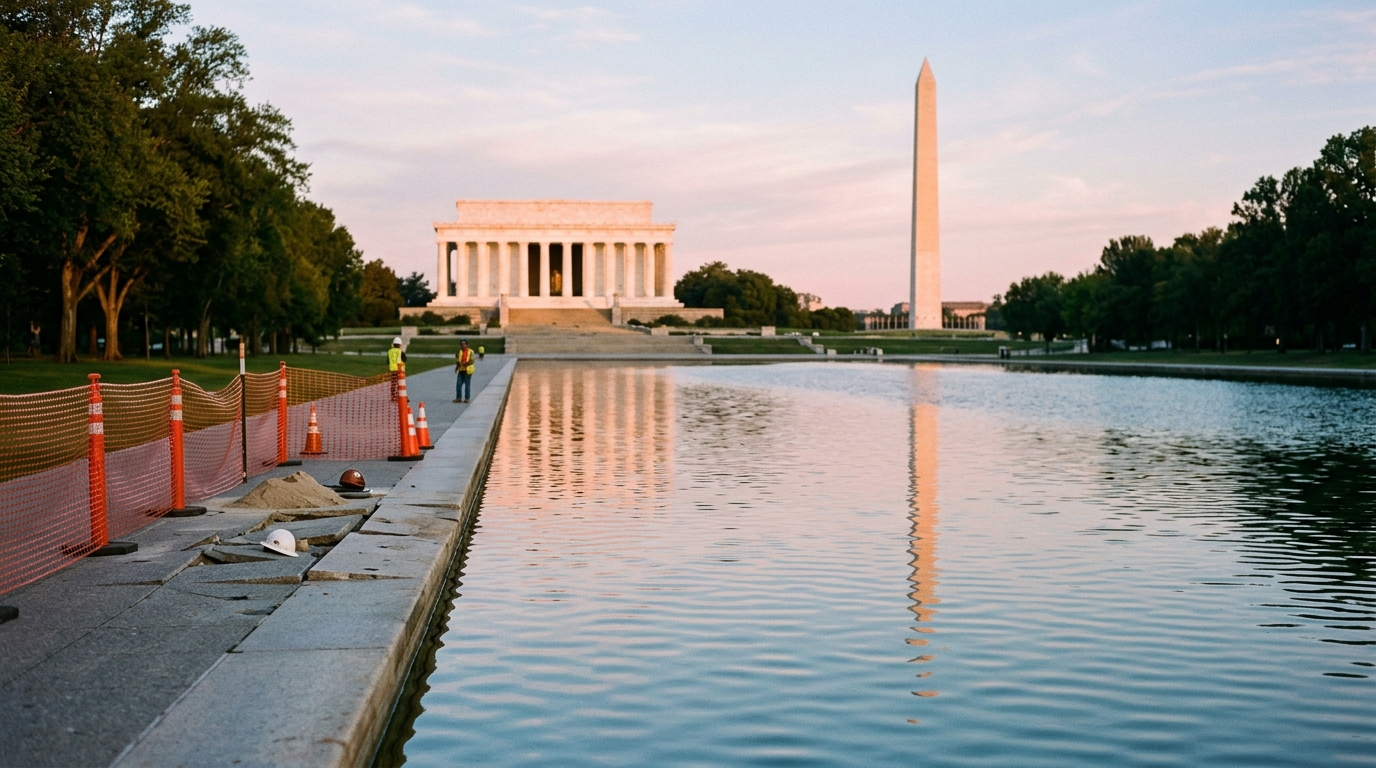
Contractor Takes Blame for Reflecting Pool Damage, Citing Internal Errors
Howard County·Community
A contractor has admitted fault for damage to the Lincoln Memorial Reflecting Pool, stating the issues were due to their own errors, not vandalism. This clarifies the cause of problems at the iconic Washington, D.C. landmark.
about 7 hours ago4 min read
Community
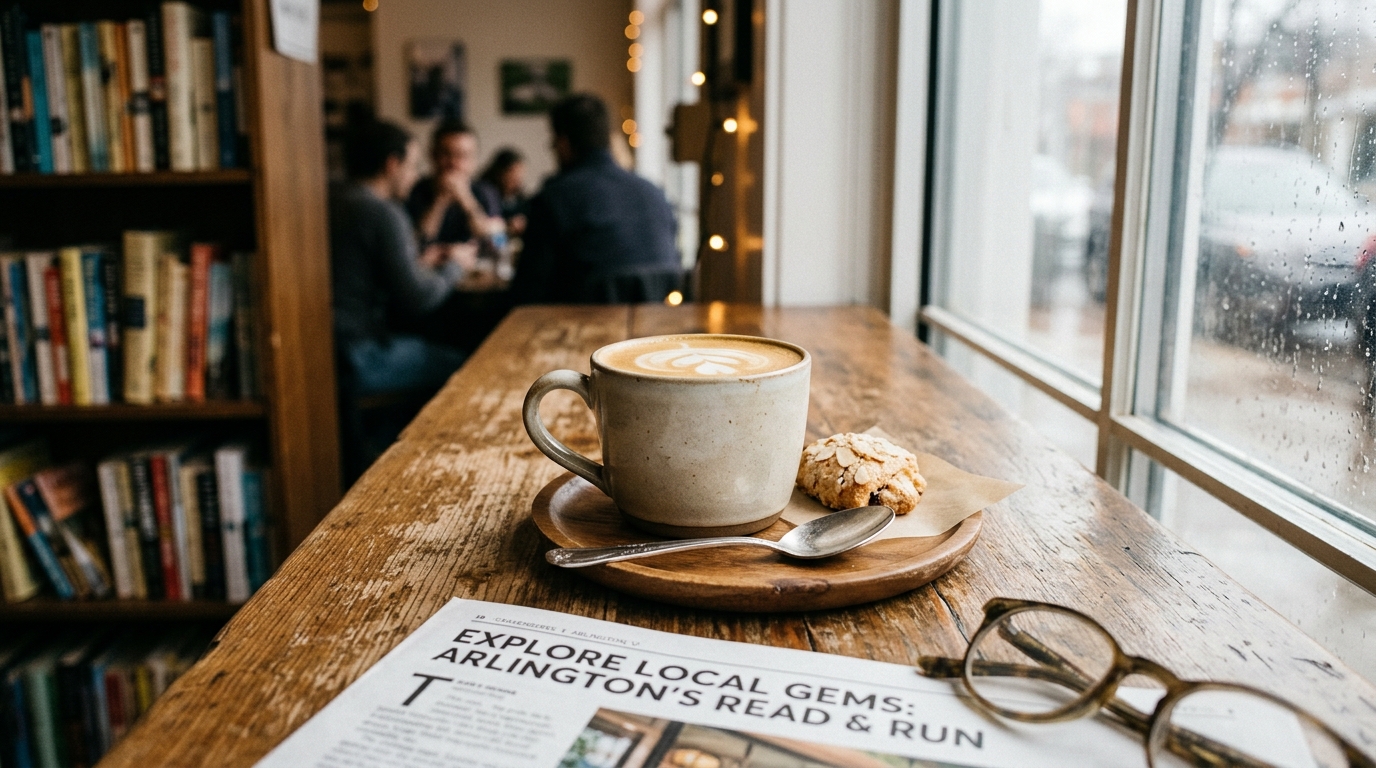
Arlington's "Read & Run" Event Invites Residents to Explore Local Gems
Howard County·Community
about 9 hours ago4 min read
Community
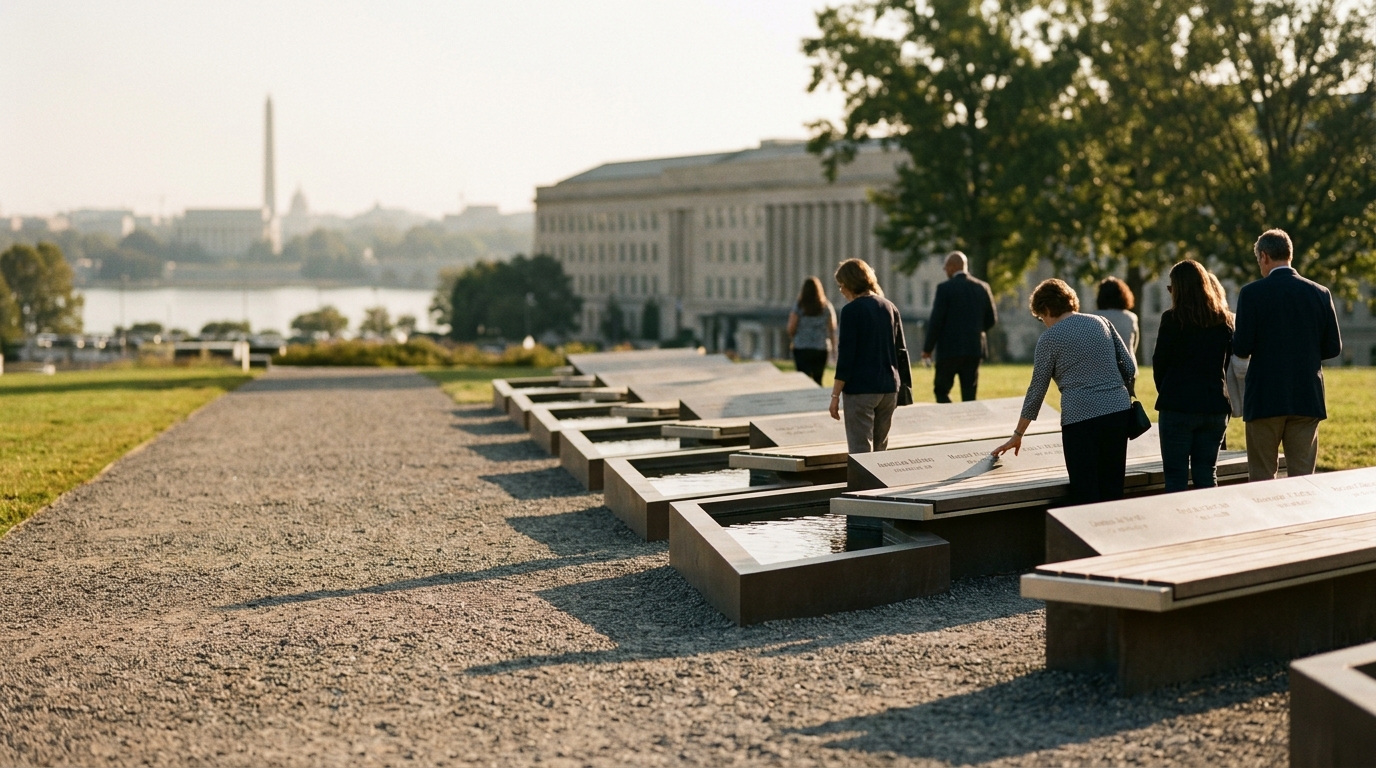
DMV Remembers: Fallen Heroes Honored in Solemn 9/11 Ceremony
Arlington County·Community
about 11 hours ago4 min read