Arts
Dueling After-Parties Set to Shake Up 2026 White House Correspondents' Dinner Scene in Washington, D.C.
Share this article
Advertisement
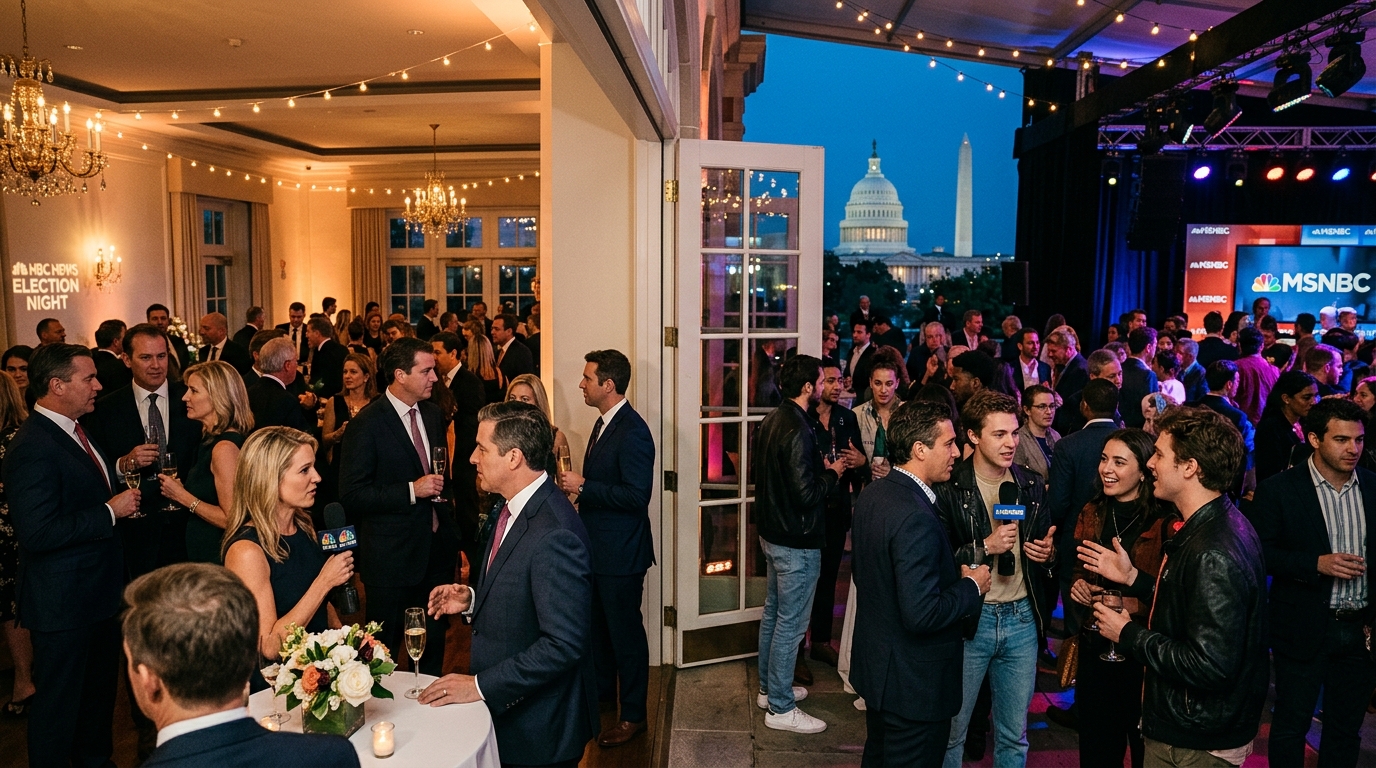
The social calendar surrounding Washington, D.C.'s most anticipated annual media event, the White House Correspondents' Dinner (WHCD), is already generating buzz for 2026, with news of two major media players planning competing after-parties. NBC News and MSNBC, once corporate affiliates, are reportedly gearing up to host separate, distinctly themed celebrations, setting the stage for a unique social dynamic for attendees [1]. This development signals a strategic divergence in how these prominent news organizations aim to engage with the political and media elite converging on the nation's capital. For the hundreds of journalists, politicians, and celebrities who attend the dinner, the choice of after-party often reflects allegiances, networking goals, or simply a preference for atmosphere.
The White House Correspondents' Dinner: A D.C. Institution
The White House Correspondents' Dinner is a storied event deeply embedded in Washington, D.C.'s cultural and political fabric. Held annually, it brings together the President of the United States, members of the administration, journalists, and Hollywood figures to celebrate the First Amendment and raise money for journalism scholarships. While the dinner itself is a formal affair, the surrounding weekend has evolved into a sprawling series of parties, brunches, and events that transform downtown D.C. into a hub of high-profile networking and social engagement. These satellite events, particularly the coveted after-parties, have become almost as significant as the dinner itself. They offer a more relaxed environment for power brokers and media personalities to mingle, discuss the night's speeches, and solidify connections. The competition among media outlets to host the most exclusive or memorable post-dinner gathering has intensified over the years, reflecting the competitive nature of the news industry. The White House Correspondents' Association, which organizes the main dinner, provides scholarships and supports press freedom initiatives, making the entire weekend a significant moment for the industry (White House Correspondents' Association).A Tale of Two Parties: Glamour vs. Subversion
According to reports, NBC News and MSNBC are planning "two very different parties" for 2026 [1]. One is described as "glamorous," while the other aims for a "subversive" tone [1]. This stark contrast suggests a deliberate strategy by each entity to carve out its own niche in the crowded post-dinner landscape. A glamorous event would likely feature high-end decor, celebrity appearances, and a more traditional, polished atmosphere, appealing to those seeking an exclusive and elegant experience."The two former corporate siblings will host two very different parties after the event (one glamorous, one subversive), forcing agents, journalists and politicos to choose sides or risk party-hopping."
Conversely, a subversive party could imply a more unconventional approach, perhaps with a focus on edgy entertainment, critical commentary on current events, or a more casual, counter-cultural vibe. This could appeal to attendees looking for a less formal setting or those who appreciate a departure from the typical D.C. power-party scene. The choice between these two distinct atmospheres will undoubtedly be a talking point among guests. Navigating D.C.'s Social Labyrinth
For the "agents, journalists, and politicos" attending the WHCD, the emergence of these dueling after-parties introduces a fascinating social dilemma [1]. Washington, D.C. is a city where social capital and networking are paramount, and choosing which events to attend can be a strategic decision. Guests may feel compelled to align with one network over another, or face the logistical challenge of "party-hopping" between venues. This scenario highlights the intricate social dynamics that underpin D.C.'s political and media circles. Attending a particular party can send a message about one's professional affiliations or personal brand. The competition for guest lists and the desire to be seen at the "right" place are significant considerations for many attendees. The city's event planning industry thrives on these high-stakes gatherings, with venues across downtown and Georgetown often booked months in advance for WHCD weekend festivities. Local businesses, from caterers to transportation services, also see a significant boost during this period (DC Department of Small and Local Business Development).What This Means for the D.C. Scene
The planned dueling after-parties for the 2026 WHCD underscore the evolving nature of the event and its surrounding social circuit. It reflects a desire by media organizations to differentiate themselves in a crowded marketplace, not just through their reporting, but also through their brand presence at high-profile events. For D.C. residents and those invested in the city's unique blend of politics, media, and entertainment, this rivalry adds another layer of intrigue to an already star-studded weekend. As 2026 approaches, observers will be keen to see how these two distinct events shape the overall atmosphere of the WHCD after-party scene and what impact they might have on future event planning in the nation's capital. The competition promises to make the post-dinner hours in Washington, D.C., even more dynamic and engaging for all involved. The local hospitality sector, including hotels and event spaces, will undoubtedly be preparing for the influx of guests and the logistical challenges of hosting such high-profile, simultaneous events (Destination DC).Advertisement